Eat · Brain health technique
Omega-3–rich foods
Evidence grade: Essential
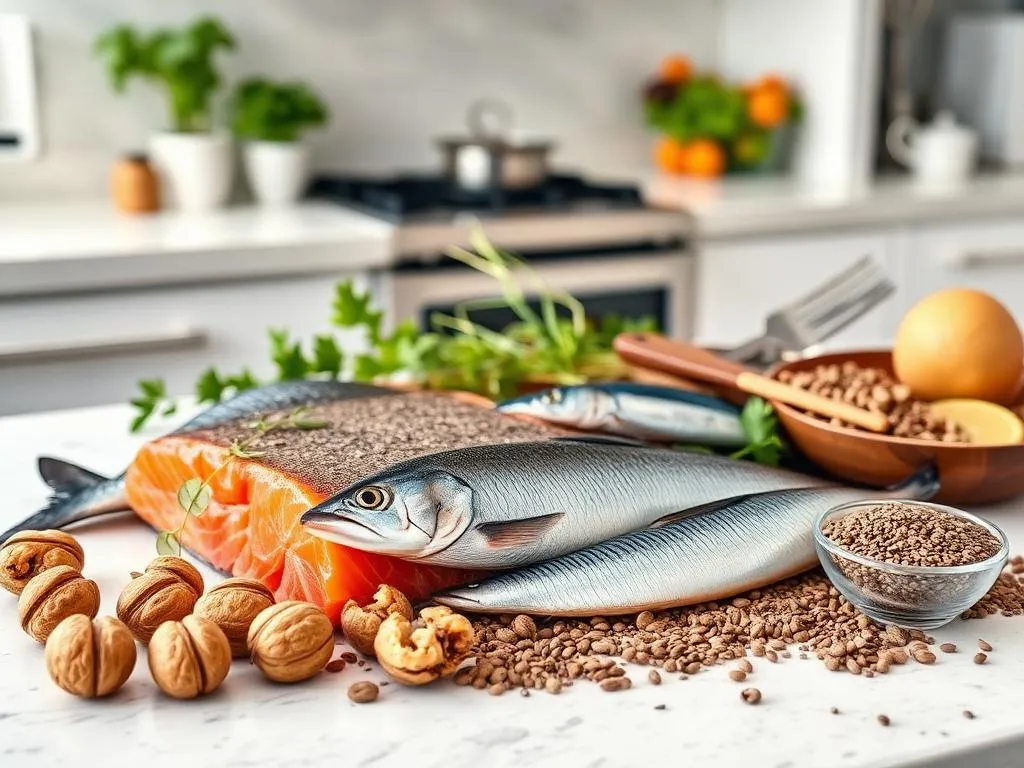
Foods high in the omega-3 fatty acids EPA and DHA (found in salmon, sardines, trout, anchovies) and ALA (in flaxseed, chia, walnuts). These fats are building blocks of brain cell membranes and influence inflammation, blood flow, and neurotransmission.
- Practice
- Eat
- Principle
- Nourishment
- Tactic
- Brain Healthy Foods
- Health domains
- inflammation, metabolic, musculoskeletal, neurocognitive
- Evidence grade
- Essential
- Strength of evidence
- High
- Cost
- Low
- Effort
- Low
- Time commitment
- Low
How to practice Omega-3–rich foods
Eat at least two servings (3–4 oz) of fatty fish per week. Choose low-mercury types like salmon, sardines, trout, or anchovies. Plant-based eaters can use algae-based DHA supplements (1 g/day). Balance omega-6 intake by reducing fried and processed foods. Fresh or frozen fish retain value; canned options are fine.
The evidence behind Omega-3–rich foods
DHA and EPA are built into the outer layer of every cell in your body and keep that layer flexible so cells work well. DHA and EPA also lower inflammation throughout your body. Evidence that they're good for your heart is strong. Mercury intake from eating large fish is a minor concern, but does not reach harmful levels in most diets. A variety of smaller, lower-mercury fish such as salmon, sardines, and trout limits your exposure.
Impact on brain health
In your brain, DHA and EPA support synapses and calm inflammation. Pooled trials show small but measurable gains in memory and executive function, especially in people with low omega-3 intake or mild cognitive impairment. Long-term studies link 2+ servings of fish a week to lower dementia risk.
Reviewed by BetterBrain's clinical advisors · Updated November 2026 · Our science
More Eat techniques
Pair this with other habits from the same practice.
Evidence grade: Essential
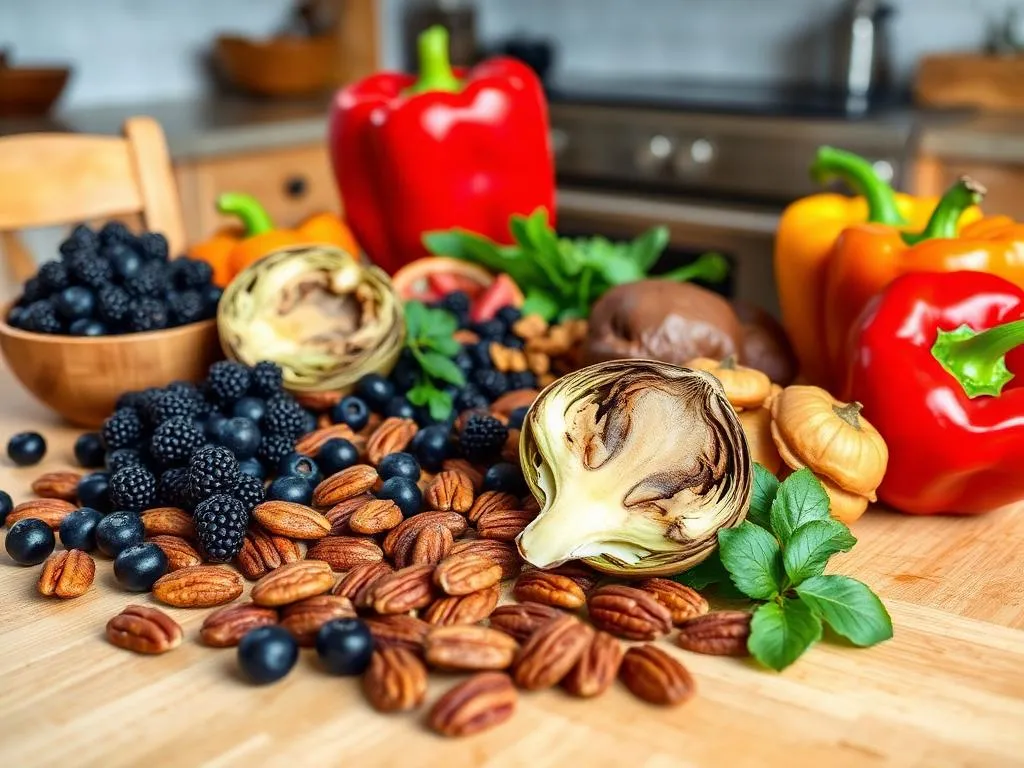
Antioxidant-rich foods
Refers to foods dense in compounds that neutralize reactive oxygen species, vitamins C and E, carotenoids, selenium, and polyphenols, found in colorful produce, nuts, seeds, whole…

Evidence grade: Essential
Carbohydrates
Macronutrients that supply glucose, the brain’s preferred energy source.
Evidence grade: Essential
Consume appropriate calories
Matching total caloric intake to individual energy needs, neither chronically excessive nor restrictive, based on age, activity, and goals.
Take control of your brain health
BetterBrain gives you a personalized protocol of techniques like these, backed by science and tailored to you.