Therapy · Brain health technique
Photobiomodulation / Red-Light Therapy
Evidence grade: Experimental
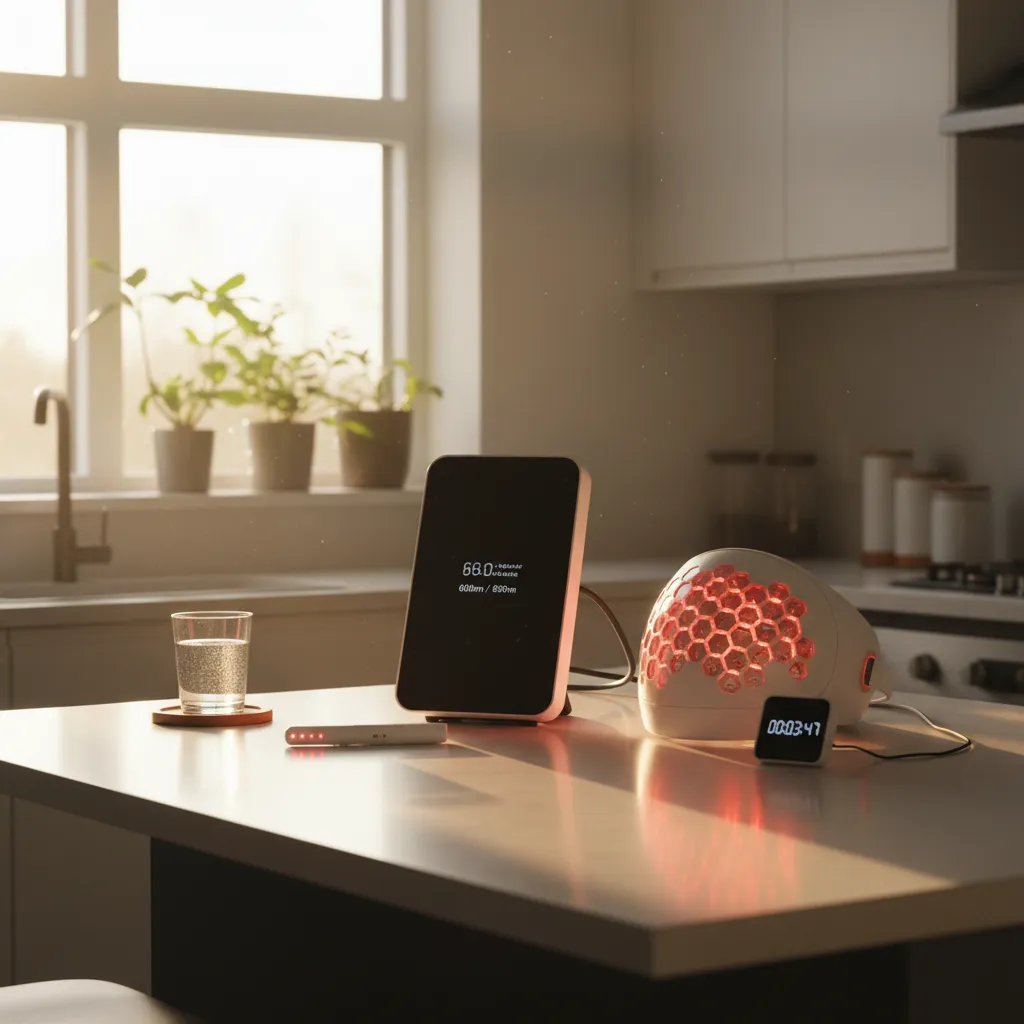
Application of low-level red or near-infrared light (600–1,000 nm) to the scalp or body to stimulate mitochondrial activity, enhance circulation, and support cellular repair.
- Practice
- Therapy
- Principle
- Treatment
- Tactic
- Physiologic & Environmental
- Evidence grade
- Experimental
- Strength of evidence
- Low
- Cost
- High
- Effort
- Low
- Time commitment
- Medium
How to practice Photobiomodulation / Red-Light Therapy
Use only devices with verified wavelength and power density.Eye protection and dose control are critical. For best results, adhere strictly to a consistent treatment schedule, as the therapeutic benefits of red light therapy are cumulative over time. Crucially, avoid the temptation to increase treatment time beyond the recommended dose, as excessive exposure can actually inhibit the desired cellular response.
The evidence behind Photobiomodulation / Red-Light Therapy
Lab and small human studies show red and near-infrared light raises ATP, lowers oxidative stress, and helps wounds heal. Most data come from small, varied trials with industry funding. Long-term safety is uncertain, and so is whether results can be repeated. The evidence is reasonably strong for hair loss and for improving aging skin.
Impact on brain health
Early trials suggest possible benefits for memory and thinking after a mild traumatic brain injury (TBI) and in early Alzheimer's. The light may work by improving blood flow to the brain and making mitochondria more efficient. These trials are small, so the brain evidence is still early.
Reviewed by BetterBrain's clinical advisors · Updated November 2026 · Our science
More Therapy techniques
Pair this with other habits from the same practice.
Evidence grade: Context Dependent
Blood Pressure Control
Medical and lifestyle management to maintain optimal blood pressure (typically <120/80 mmHg) through antihypertensive medications, dietary sodium reduction, exercise, and stress m…

Evidence grade: Context Dependent
Blood Sugar Management
Prevention and treatment of insulin resistance and diabetes through medication, diet, and activity to maintain fasting glucose <100 mg/dL and HbA1c <5.7% when possible.
Evidence grade: Context Dependent
Cholesterol and Vascular Health Management
Comprehensive lipid and endothelial health optimization through statins, diet, exercise, and vascular-protective agents to prevent atherosclerosis and maintain cerebral blood flow.
Take control of your brain health
BetterBrain gives you a personalized protocol of techniques like these, backed by science and tailored to you.