Eat · Brain health technique
Protein
Evidence grade: Essential

Provides amino acids essential for neurotransmitter synthesis, repair, and muscle maintenance. Found in meat, fish, dairy, eggs, legumes, soy, and nuts. Both total amount and even distribution throughout the day influence brain and metabolic outcomes.
- Practice
- Eat
- Principle
- Nourishment
- Tactic
- Brain Healthy Foods
- Health domains
- metabolic, musculoskeletal
- Evidence grade
- Essential
- Strength of evidence
- High
- Cost
- High
- Effort
- Low
- Time commitment
- Low
How to practice Protein
Most people should aim for at least 0.7 grams of protein per pound of body weight daily (e.g., ~110 g for a 160-lb adult), and maybe more if you are training intensely; some experts recommend up to 1 g/lb for strength and longevity goals since adherence is difficult and a higher target offers some buffer for mistakes. Spread intake evenly, about 25–35 g per meal, to maximize absorption and muscle protein synthesis. Ensure you obtain a complete amino acid profile, especially leucine to trigger muscle hypertrophy; this is found most abundantly in sources like whey protein and animal meats. Prioritize fish, eggs, poultry, dairy, beans, and tofu. Extremely high protein diets (>1.2 g/lb) rarely add benefit and may be costly or hard to sustain.
The evidence behind Protein
Protein supplies amino acids. Getting enough helps you keep muscle mass and a steady metabolism. Too little makes it harder for your body to recover. Metabolic studies and expert consensus increasingly suggest that the official daily recommendation is too low for optimal health. Many researchers recommend at least 0.7 g of protein per lb of bodyweight, especially for older adults and active people. Very high intake offers diminishing returns, but it's generally safe if your kidneys are healthy.
Impact on brain health
Protein also supplies tryptophan and tyrosine, amino acids your brain uses to make serotonin and dopamine. Too little protein impairs this signaling. Getting enough supports cognitive resilience.
Reviewed by BetterBrain's clinical advisors · Updated November 2026 · Our science
More Eat techniques
Pair this with other habits from the same practice.
Evidence grade: Essential
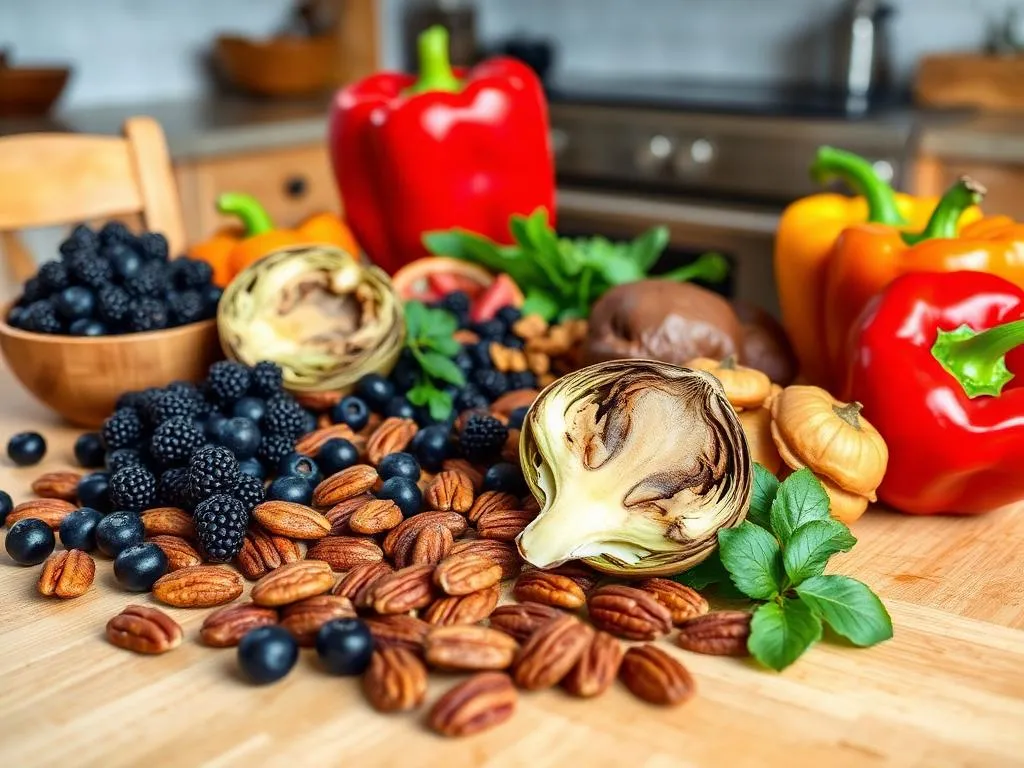
Antioxidant-rich foods
Refers to foods dense in compounds that neutralize reactive oxygen species, vitamins C and E, carotenoids, selenium, and polyphenols, found in colorful produce, nuts, seeds, whole…
Evidence grade: Essential
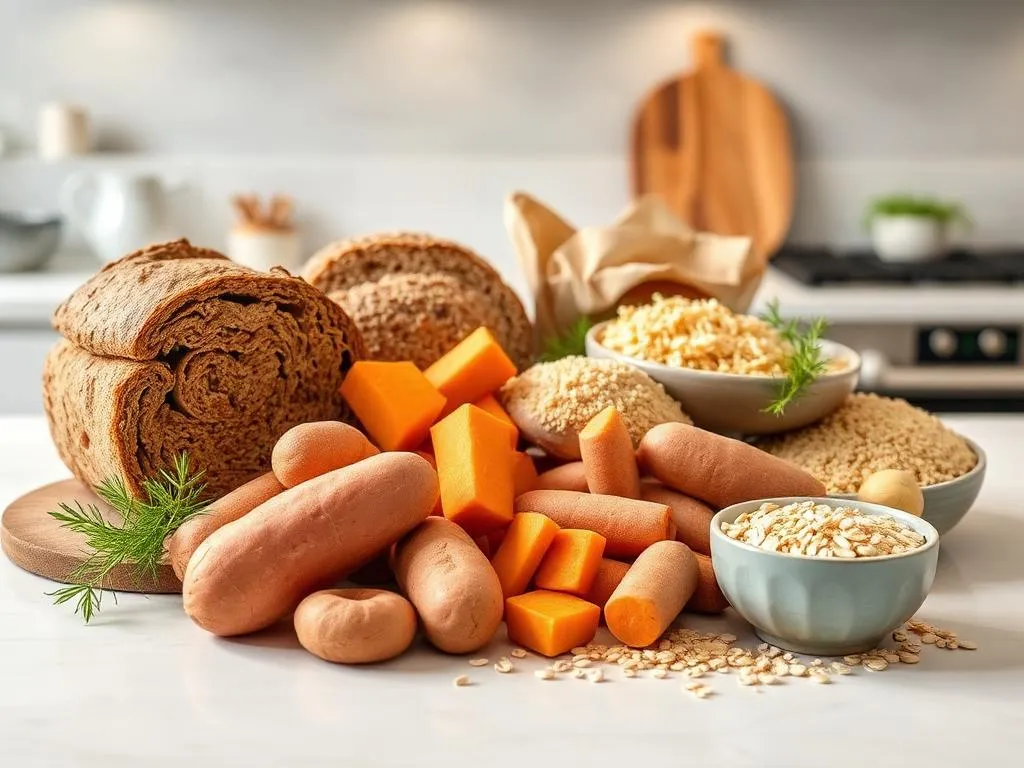
Carbohydrates
Macronutrients that supply glucose, the brain’s preferred energy source.
Evidence grade: Essential
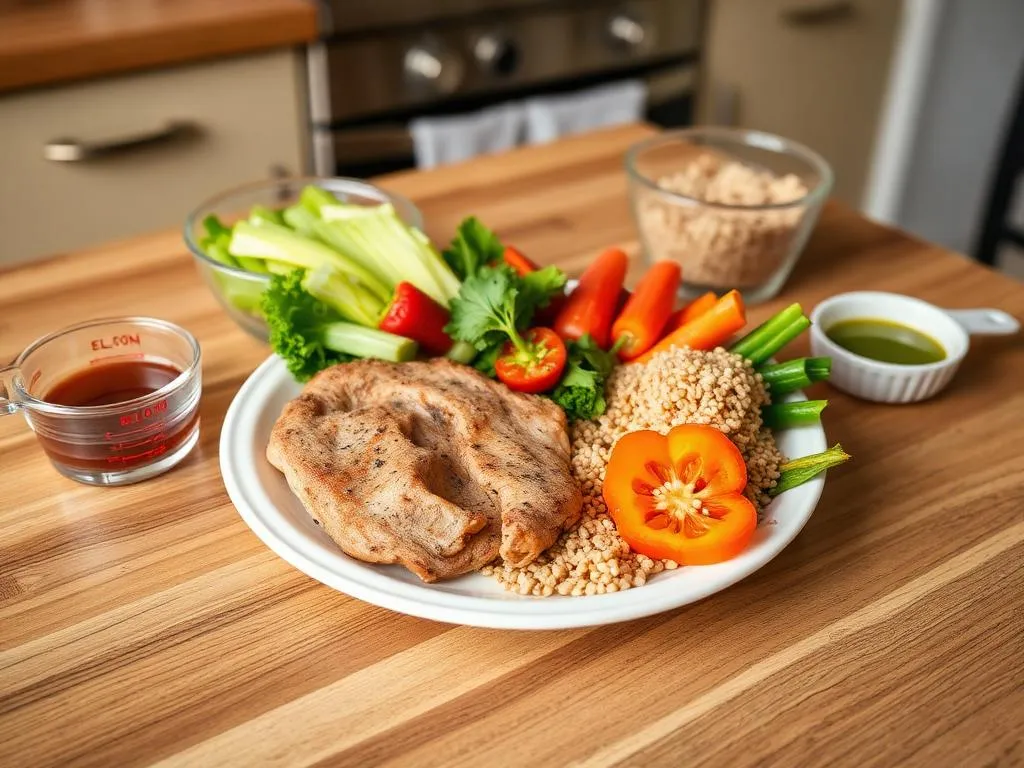
Consume appropriate calories
Matching total caloric intake to individual energy needs, neither chronically excessive nor restrictive, based on age, activity, and goals.
Take control of your brain health
BetterBrain gives you a personalized protocol of techniques like these, backed by science and tailored to you.