Therapy · Brain health technique
Sleep Apnea Treatment
Evidence grade: Context Dependent
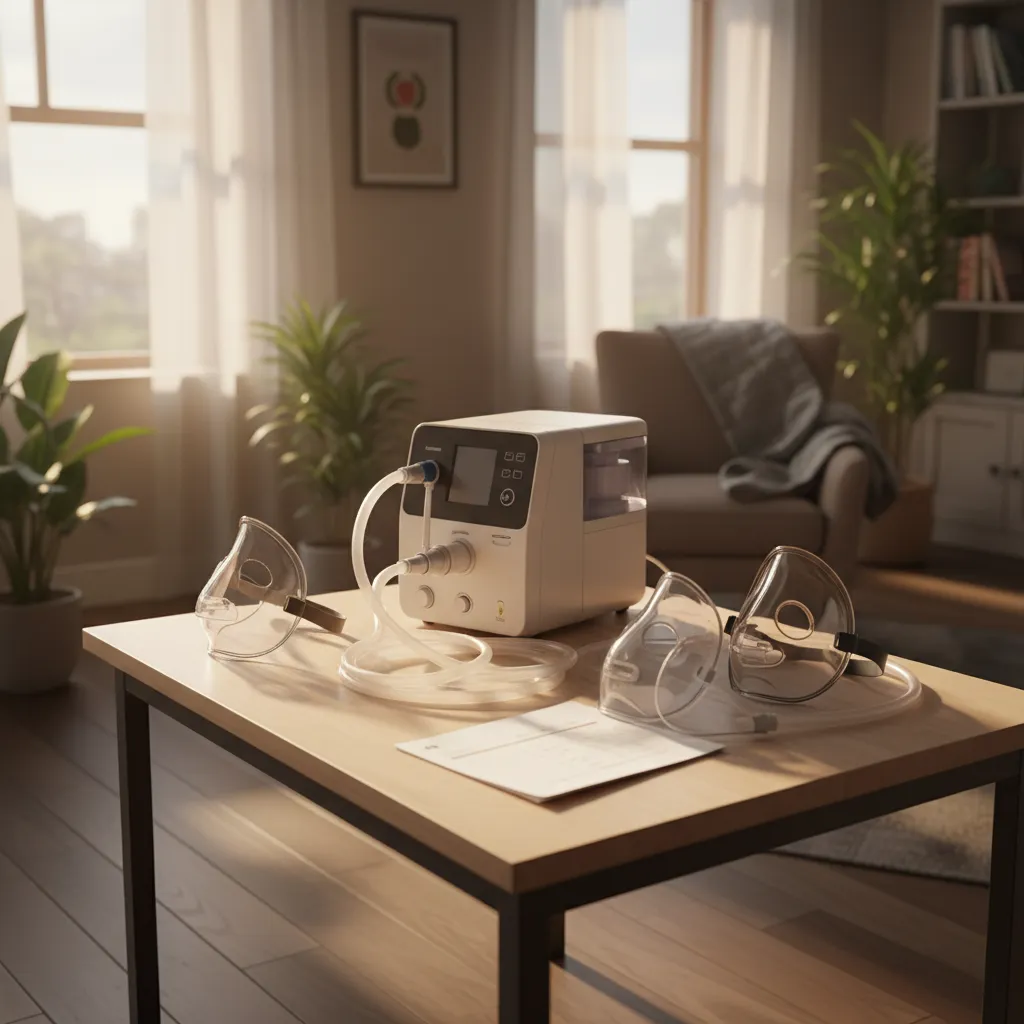
Diagnosis and treatment of obstructive sleep apnea (OSA) through CPAP, oral appliances, weight reduction, or upper-airway therapy to restore normal nocturnal breathing and oxygenation.
- Practice
- Therapy
- Principle
- Treatment
- Tactic
- Specialty Medical & Integrative Care
- Health domains
- hormonal
- Evidence grade
- Context Dependent
- Strength of evidence
- Medium
- Cost
- High
- Effort
- Low
- Time commitment
- Low
How to practice Sleep Apnea Treatment
Obtain sleep testing for snoring, daytime sleepiness, or hypertension resistant to treatment. If OSA is confirmed, use CPAP nightly for at least 4 hours (preferably 6–7). Ensure proper mask fit, clean equipment weekly, and reassess annually. Consistency, not intensity, drives long-term benefit.
The evidence behind Sleep Apnea Treatment
Obstructive sleep apnea (OSA) causes repeated drops in oxygen, broken sleep, and an overactive stress response. All of these speed up heart and blood vessel disease. Trials show regular CPAP use restores normal oxygen. Better oxygen and less oxidative stress improve blood vessel function.
Impact on brain health
OSA's oxygen drops, broken sleep, and overactive stress response can also speed up cognitive decline. Trials show that consistent CPAP use can improve attention and memory, though results vary. Studies also link CPAP use to a lower risk of dementia. Better oxygen delivery and less oxidative stress help nerve cells recover.
Reviewed by BetterBrain's clinical advisors · Updated November 2026 · Our science
More Therapy techniques
Pair this with other habits from the same practice.
Evidence grade: Context Dependent
Blood Pressure Control
Medical and lifestyle management to maintain optimal blood pressure (typically <120/80 mmHg) through antihypertensive medications, dietary sodium reduction, exercise, and stress m…

Evidence grade: Context Dependent
Blood Sugar Management
Prevention and treatment of insulin resistance and diabetes through medication, diet, and activity to maintain fasting glucose <100 mg/dL and HbA1c <5.7% when possible.
Evidence grade: Context Dependent
Cholesterol and Vascular Health Management
Comprehensive lipid and endothelial health optimization through statins, diet, exercise, and vascular-protective agents to prevent atherosclerosis and maintain cerebral blood flow.
Take control of your brain health
BetterBrain gives you a personalized protocol of techniques like these, backed by science and tailored to you.