Therapy · Brain health technique
Vision Correction (Glasses / Cataract Surgery)
Evidence grade: Context Dependent
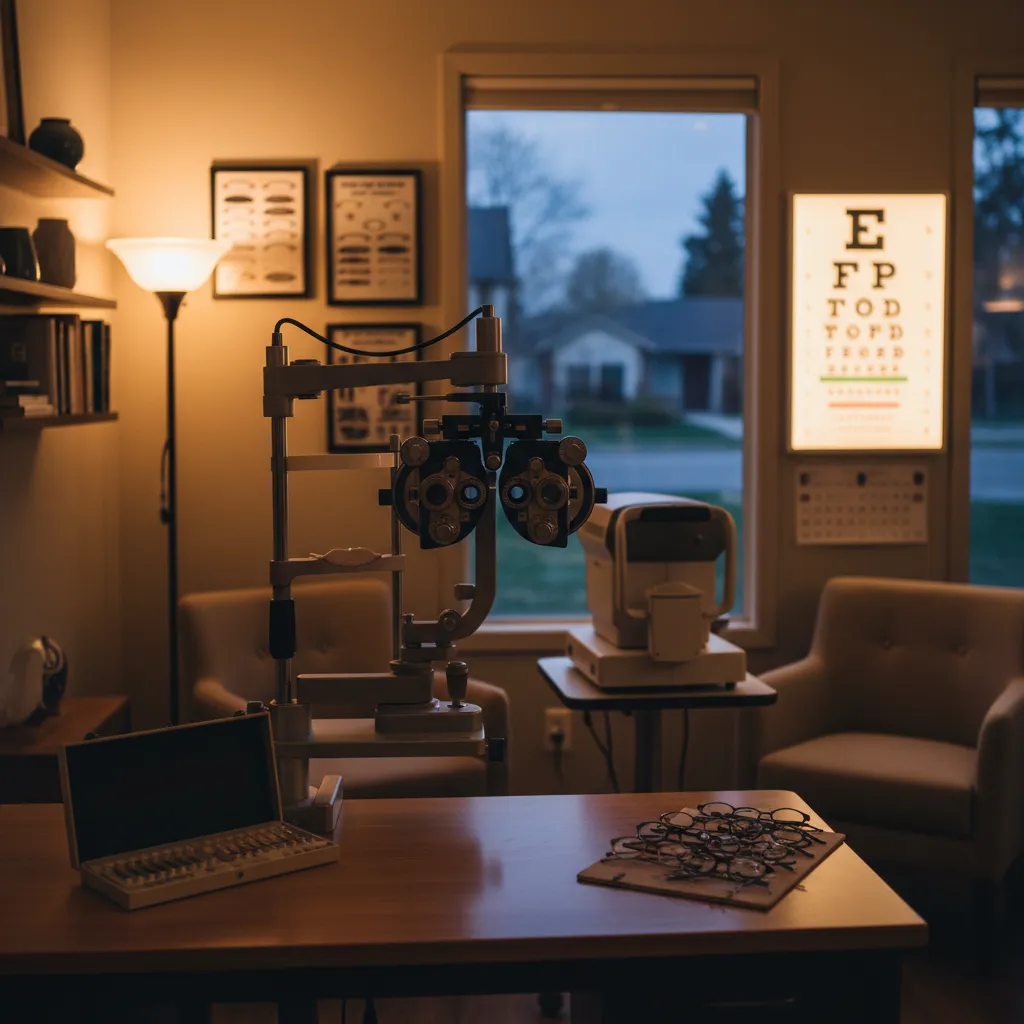
Optical correction of refractive errors or surgical removal of cataracts to improve visual clarity, reduce strain, and maintain sensory engagement.
- Practice
- Therapy
- Principle
- Treatment
- Tactic
- Sensory Restoration & Enhancement
- Evidence grade
- Context Dependent
- Strength of evidence
- Medium
- Cost
- High
- Effort
- Low
- Time commitment
- Low
How to practice Vision Correction (Glasses / Cataract Surgery)
Schedule regular eye exams (every 1–2 years). Correct refractive errors promptly and pursue cataract surgery when visual function declines. Ensure adequate lighting and contrast at home to support safe navigation and reading. Clear sensory input supports mental alertness and independence.
The evidence behind Vision Correction (Glasses / Cataract Surgery)
Glasses and cataract surgery sharpen the visual input you rely on every day. Clearer sight keeps you engaged with people and your surroundings, which reduces isolation. Seeing well also helps you get around safely and stay independent. Both are low-risk treatments.
Impact on brain health
Large studies link vision correction and cataract surgery to lower dementia risk and slower cognitive decline. Clearer input is thought to keep your brain active and lower its cognitive load. The evidence for this link is strong, though a link alone doesn't prove that vision care prevents dementia.
Reviewed by BetterBrain's clinical advisors · Updated November 2026 · Our science
More Therapy techniques
Pair this with other habits from the same practice.

Evidence grade: Context Dependent
Blood Pressure Control
Medical and lifestyle management to maintain optimal blood pressure (typically <120/80 mmHg) through antihypertensive medications, dietary sodium reduction, exercise, and stress m…

Evidence grade: Context Dependent
Blood Sugar Management
Prevention and treatment of insulin resistance and diabetes through medication, diet, and activity to maintain fasting glucose <100 mg/dL and HbA1c <5.7% when possible.

Evidence grade: Context Dependent
Cholesterol and Vascular Health Management
Comprehensive lipid and endothelial health optimization through statins, diet, exercise, and vascular-protective agents to prevent atherosclerosis and maintain cerebral blood flow.
Take control of your brain health
BetterBrain gives you a personalized protocol of techniques like these, backed by science and tailored to you.