Environment · Brain health technique
Control indoor humidity
Evidence grade: Context Dependent
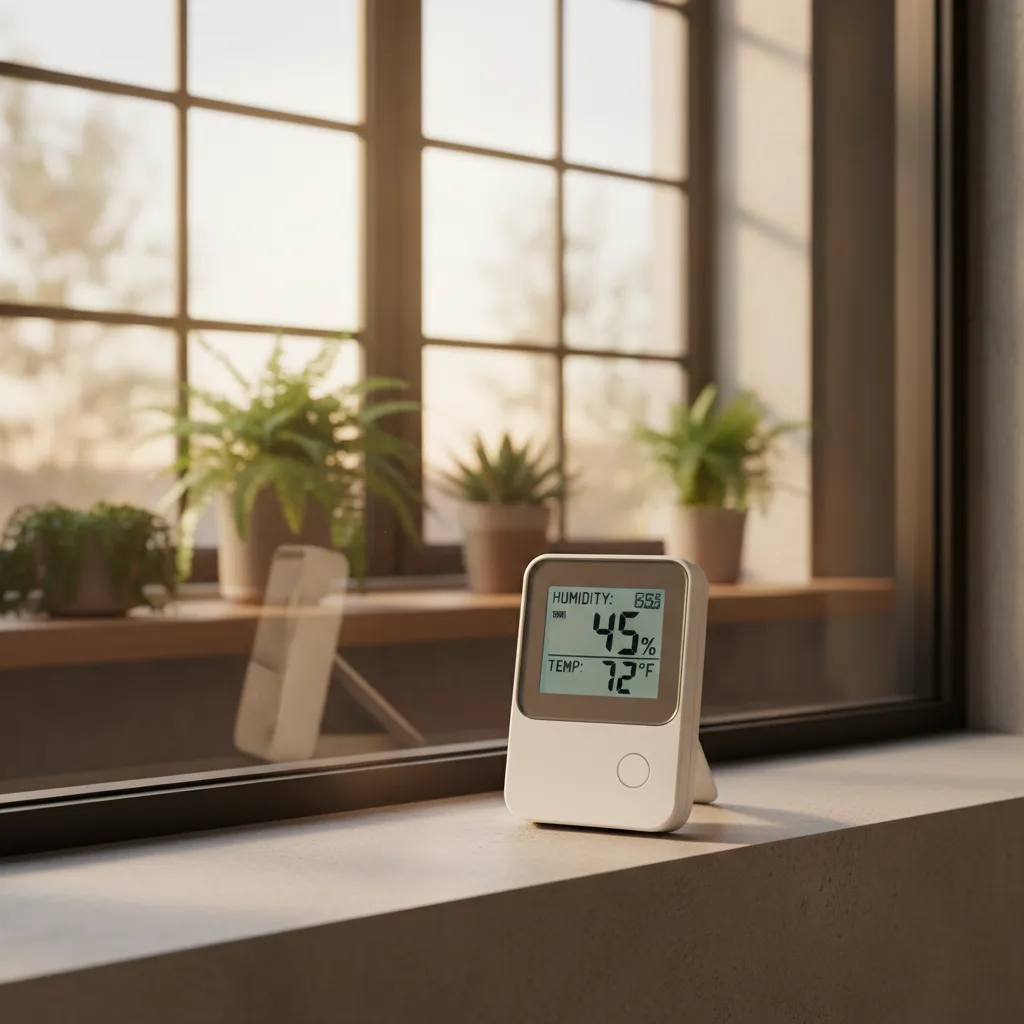
Maintaining moderate relative humidity via humidifiers or dehumidifiers to reduce dust mites, mold, and pathogen persistence. High humidity > 60 % encourages mold; low < 30 % dries airways and promotes viral spread.
- Practice
- Environment
- Principle
- Protection
- Tactic
- Air Quality Optimization
- Evidence grade
- Context Dependent
- Strength of evidence
- Medium
- Cost
- High
- Effort
- High
- Time commitment
- High
How to practice Control indoor humidity
Track humidity with an inexpensive digital hygrometer. Use a humidifier in winter if < 30 %, a dehumidifier in damp months if > 60 %. Clean water reservoirs weekly to prevent bacterial growth. Target 40–60 % year-round for optimal comfort and lung health.
The evidence behind Control indoor humidity
Studies in schools, offices, and hospitals show mid-range humidity helps the protective lining of your airways and improves comfort. Mold adds to inflammation, fatigue, and allergic reactions, which can indirectly affect your sleep. Air that's too dry stirs settled dust back up and irritates your airways.
Impact on brain health
The inflammation, fatigue, and allergic reactions linked to mold can also indirectly affect your memory and thinking.
Reviewed by BetterBrain's clinical advisors · Updated November 2026 · Our science
More Environment techniques
Pair this with other habits from the same practice.

Evidence grade: Essential
Avoid Non-stick (PFAS-based) Cookware
Use stainless, ceramic, or cast iron instead of Teflon-type coatings.
Evidence grade: Essential
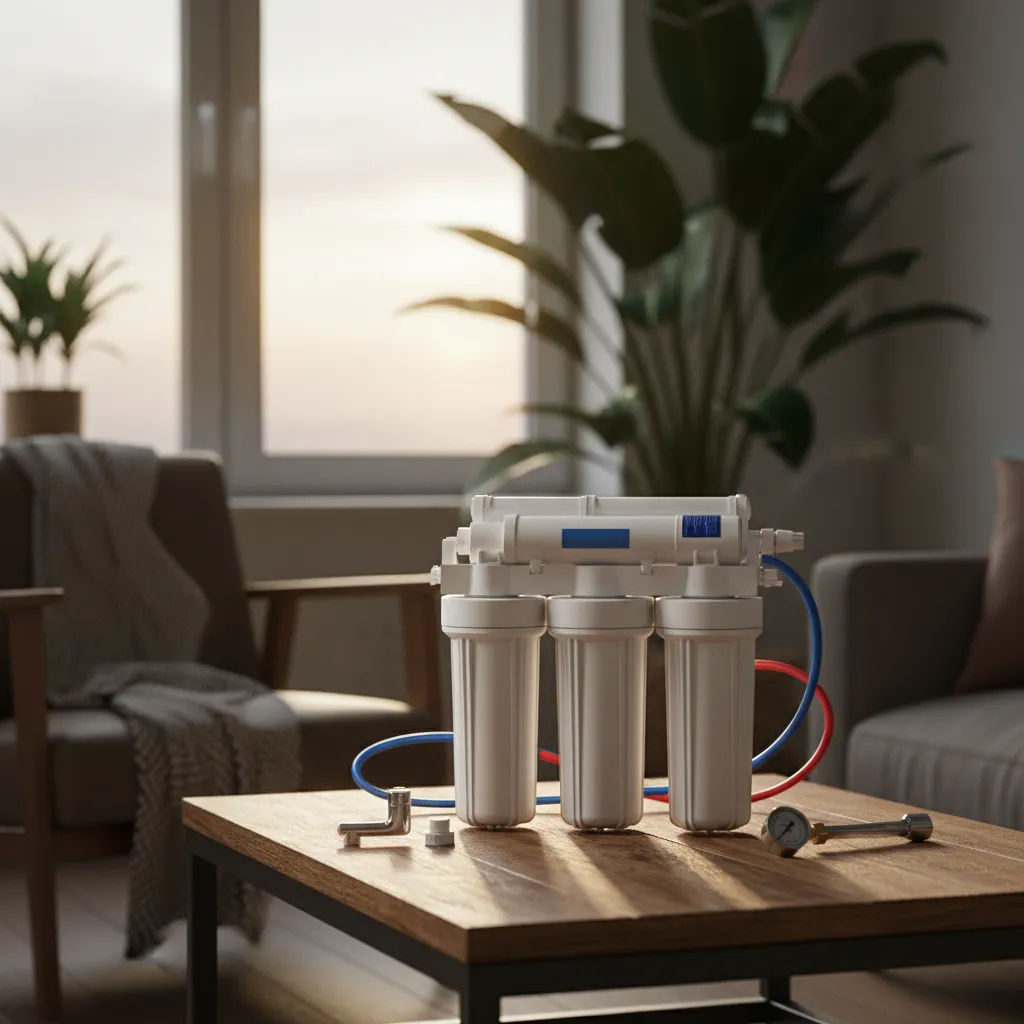
Reverse Osmosis (RO) Filtration
Under-sink or whole-home RO systems with carbon pre-filter.

Evidence grade: Context Dependent
Activated Carbon Block Filter
Countertop or inline carbon blocks for organic chemical reduction.
Take control of your brain health
BetterBrain gives you a personalized protocol of techniques like these, backed by science and tailored to you.