Environment · Brain health technique
Energy/heat-recovery ventilation (ERV/HRV)
Evidence grade: Context Dependent

Whole-home mechanical ventilation that exchanges stale indoor air for filtered outdoor air while transferring heat (and, with ERV, moisture) between the airstreams to keep comfort and energy efficiency. Works continuously on low speed to keep CO₂ and indoor pollutants from building up.
- Practice
- Environment
- Principle
- Protection
- Tactic
- Air Quality Optimization
- Evidence grade
- Context Dependent
- Strength of evidence
- Medium
How to practice Energy/heat-recovery ventilation (ERV/HRV)
Best added during new builds or major renovations. Specify MERV-13+ intake filters, set to run continuously on low, and service filters 2×/year. In older leaky homes, ERV/HRV is optional but helpful for bedrooms and home offices.
The evidence behind Energy/heat-recovery ventilation (ERV/HRV)
Steady outdoor-air exchange lowers indoor CO₂, odors, excess moisture, and VOCs. That can improve your sleep quality and make breathing more comfortable. The building-science data on these air-quality effects are strong. Lower exposure to indoor air pollutants is also tied to better blood vessel health.
Impact on brain health
Fresher air can also improve alertness. Studies haven't tested dementia risk directly, but lower exposure to air pollutants is tied to better memory and thinking.
Reviewed by BetterBrain's clinical advisors · Updated November 2026 · Our science
More Environment techniques
Pair this with other habits from the same practice.

Evidence grade: Essential
Avoid Non-stick (PFAS-based) Cookware
Use stainless, ceramic, or cast iron instead of Teflon-type coatings.
Evidence grade: Essential
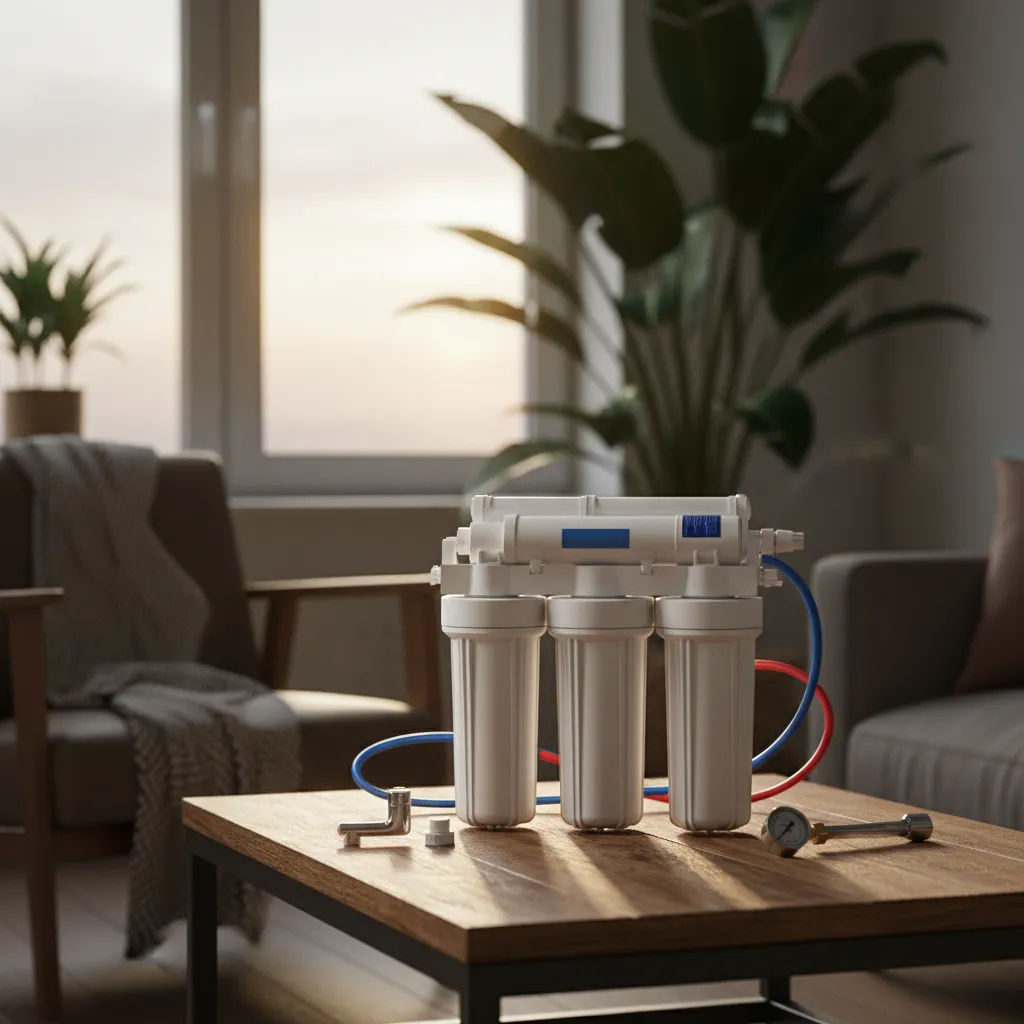
Reverse Osmosis (RO) Filtration
Under-sink or whole-home RO systems with carbon pre-filter.
Evidence grade: Context Dependent
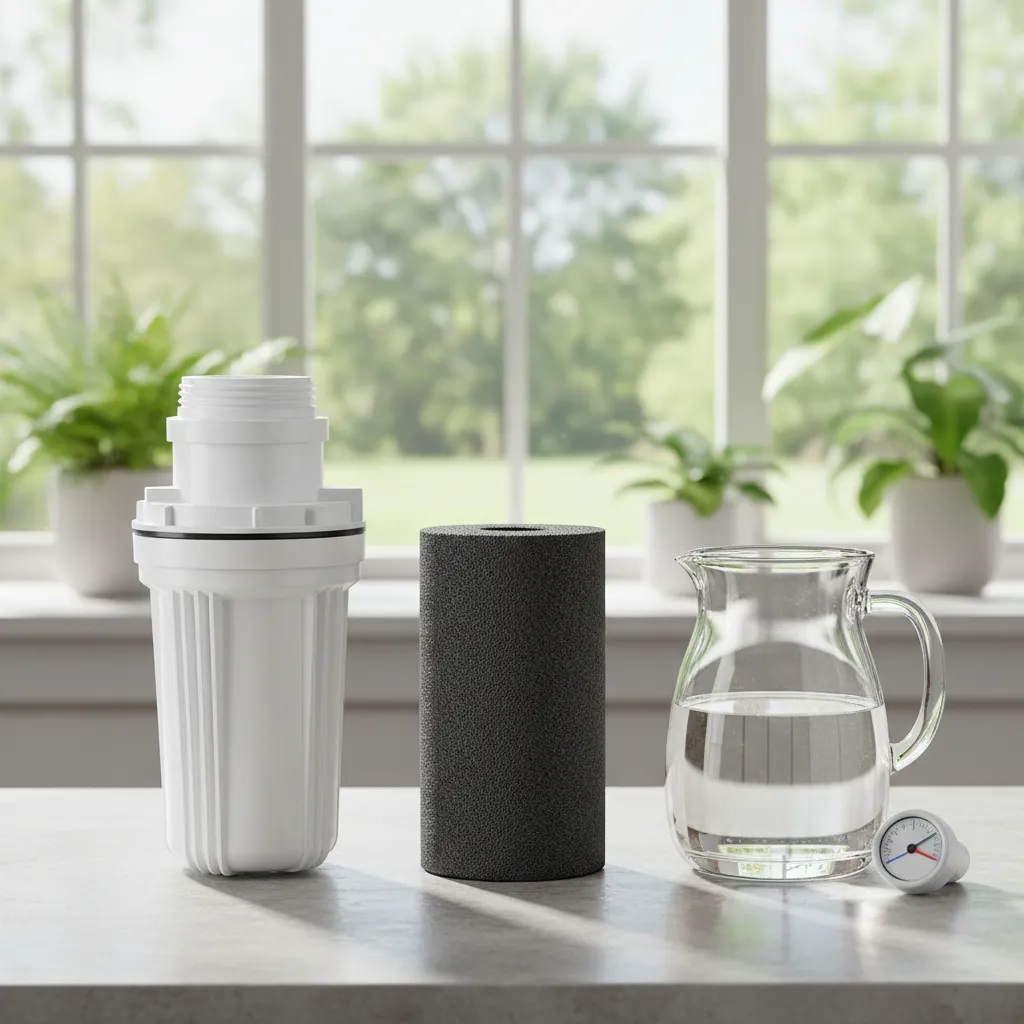
Activated Carbon Block Filter
Countertop or inline carbon blocks for organic chemical reduction.
Take control of your brain health
BetterBrain gives you a personalized protocol of techniques like these, backed by science and tailored to you.