Environment · Brain health technique
Glass or Stainless-Steel Storage
Evidence grade: Experimental
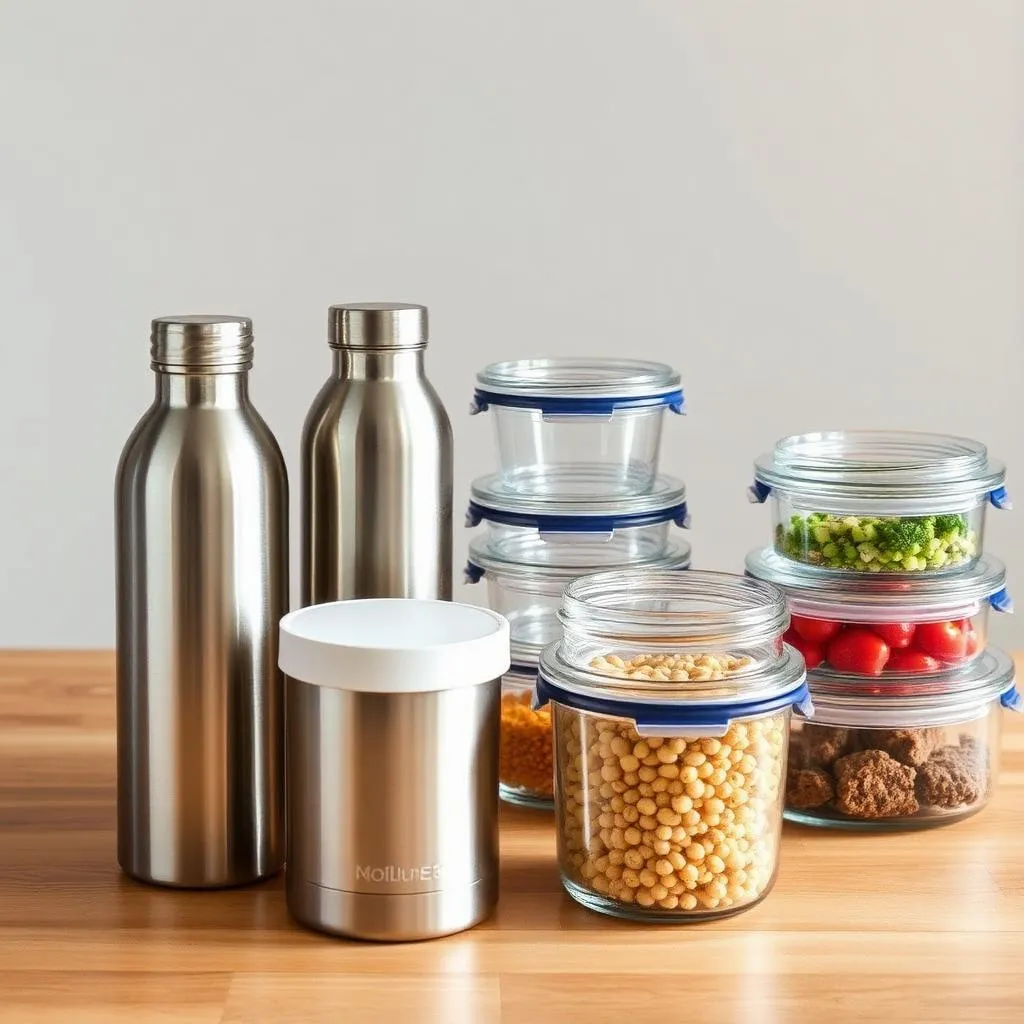
Replace plastic bottles and jugs with inert materials.
- Practice
- Environment
- Principle
- Protection
- Tactic
- Water Purity & Handling
- Evidence grade
- Experimental
- Strength of evidence
- Low
How to practice Glass or Stainless-Steel Storage
Store drinking water and hot liquids in glass or stainless steel, especially when liquids sit for long periods or are heated. Prioritize this change for daily-use containers (water bottles, coffee carafes). Do not stress about occasional plastic use; this is a low-effort risk-reduction step.
The evidence behind Glass or Stainless-Steel Storage
Glass and steel don't leach BPA, BPS, or phthalates. These chemicals disrupt your hormones and have been tied to effects on metabolism. Studies show that people who switch have less BPA in their urine. Switching is a simple, lasting change.
Impact on brain health
These chemicals have also been tied to effects on how the brain and nervous system develop.
Reviewed by BetterBrain's clinical advisors · Updated November 2026 · Our science
More Environment techniques
Pair this with other habits from the same practice.
Evidence grade: Essential
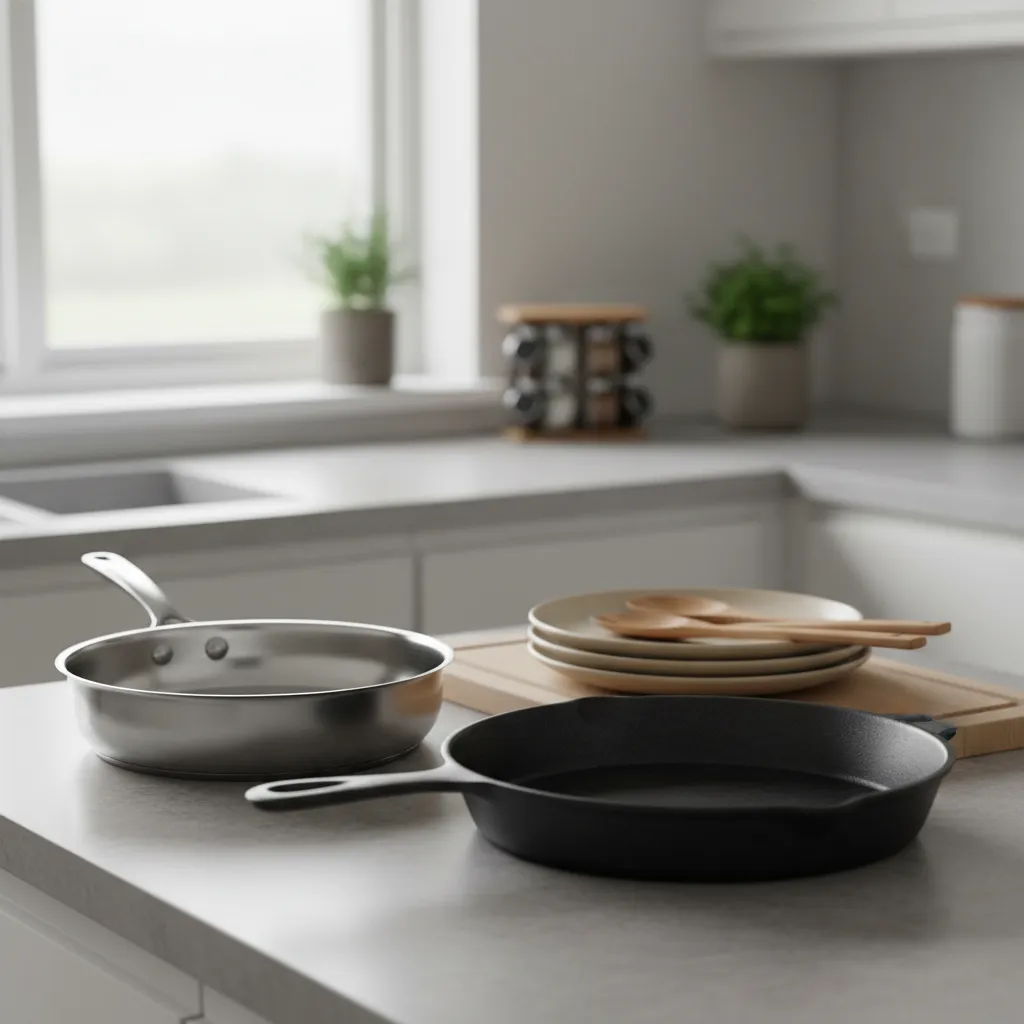
Avoid Non-stick (PFAS-based) Cookware
Use stainless, ceramic, or cast iron instead of Teflon-type coatings.
Evidence grade: Essential
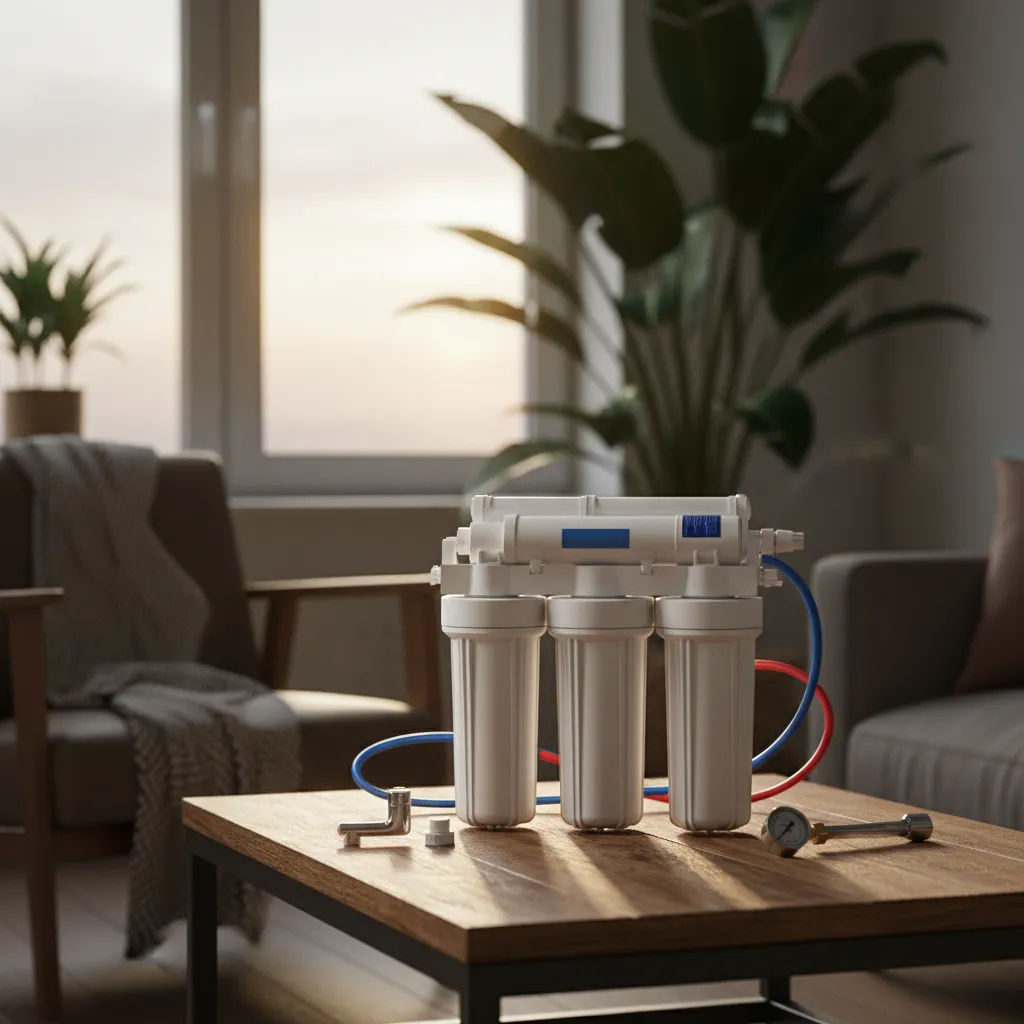
Reverse Osmosis (RO) Filtration
Under-sink or whole-home RO systems with carbon pre-filter.
Evidence grade: Context Dependent
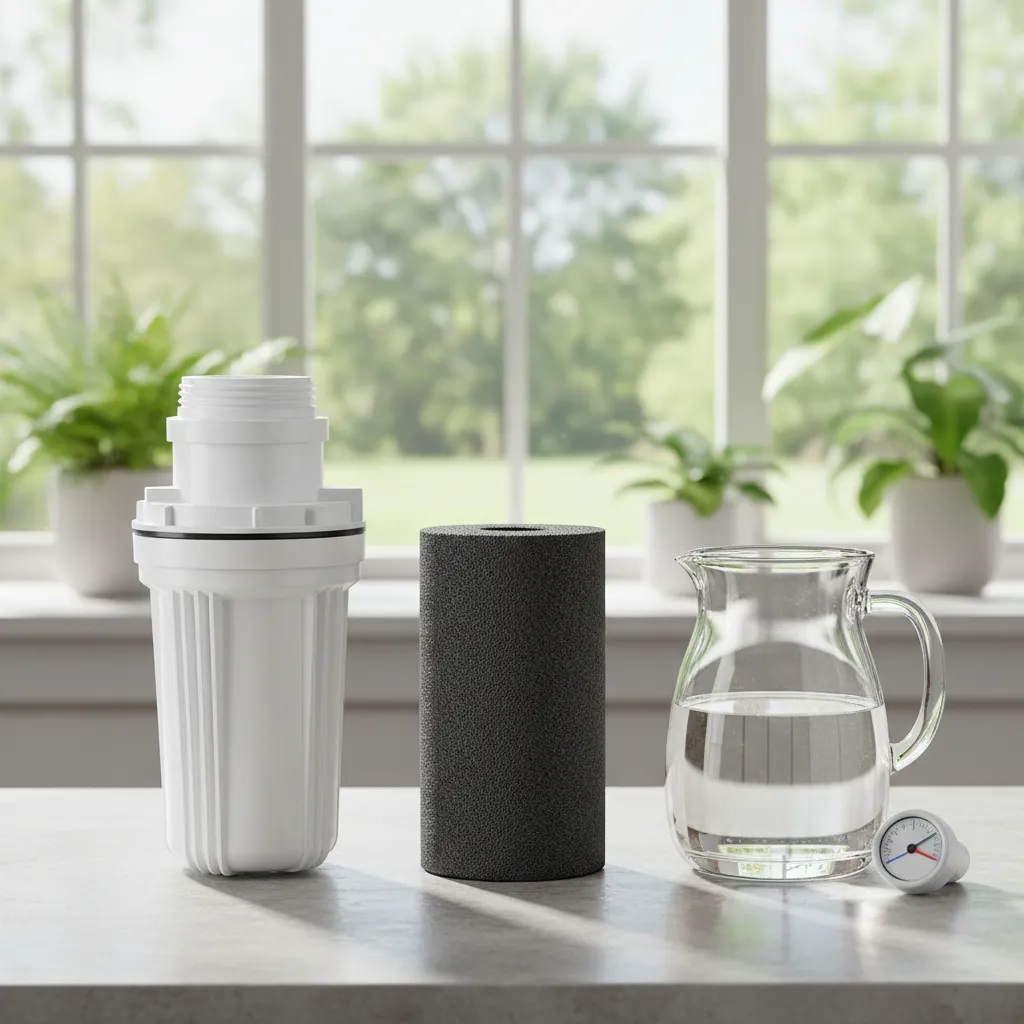
Activated Carbon Block Filter
Countertop or inline carbon blocks for organic chemical reduction.
Take control of your brain health
BetterBrain gives you a personalized protocol of techniques like these, backed by science and tailored to you.