Environment · Brain health technique
Ionization or “plasma” air cleaners
Evidence grade: Mixed / Unclear

Devices claiming to clean air using ions, cold plasma, or electrostatic fields. These technologies attempt to charge particles so they clump or fall out of the air, sometimes also oxidizing VOCs. Many emit small amounts of ozone or aldehydes as by-products.
- Practice
- Environment
- Principle
- Protection
- Tactic
- Air Quality Optimization
- Evidence grade
- Mixed / Unclear
- Strength of evidence
- Medium
How to practice Ionization or “plasma” air cleaners
Skip ionization units unless independently verified as ozone-free and compliant with safety certifications. Direct your budget toward HEPA + carbon filtration and better ventilation, proven, low-risk options.
The evidence behind Ionization or “plasma” air cleaners
These devices release ions that charge airborne particles, which makes the particles more likely to settle on nearby surfaces. Independent tests show these devices remove pollutants inconsistently. Some create new pollutants like ozone and formaldehyde, which can irritate your airways. Most units sold lack third-party certification (e.g. from AHAM or CARB, which certify air cleaners). There's no published evidence these devices benefit your blood vessels. Promising lab results haven't held up in real-world use.
Reviewed by BetterBrain's clinical advisors · Updated November 2026 · Our science
More Environment techniques
Pair this with other habits from the same practice.

Evidence grade: Essential
Avoid Non-stick (PFAS-based) Cookware
Use stainless, ceramic, or cast iron instead of Teflon-type coatings.
Evidence grade: Essential
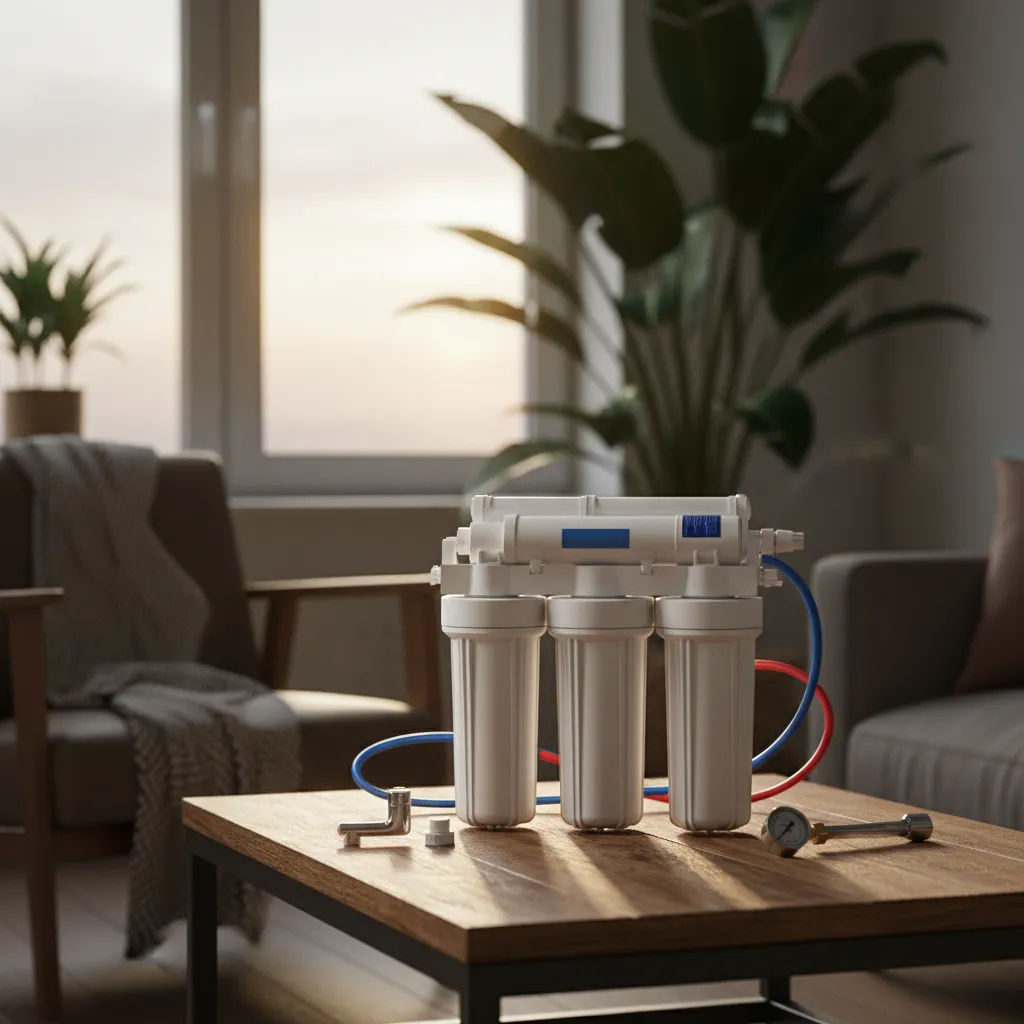
Reverse Osmosis (RO) Filtration
Under-sink or whole-home RO systems with carbon pre-filter.
Evidence grade: Context Dependent
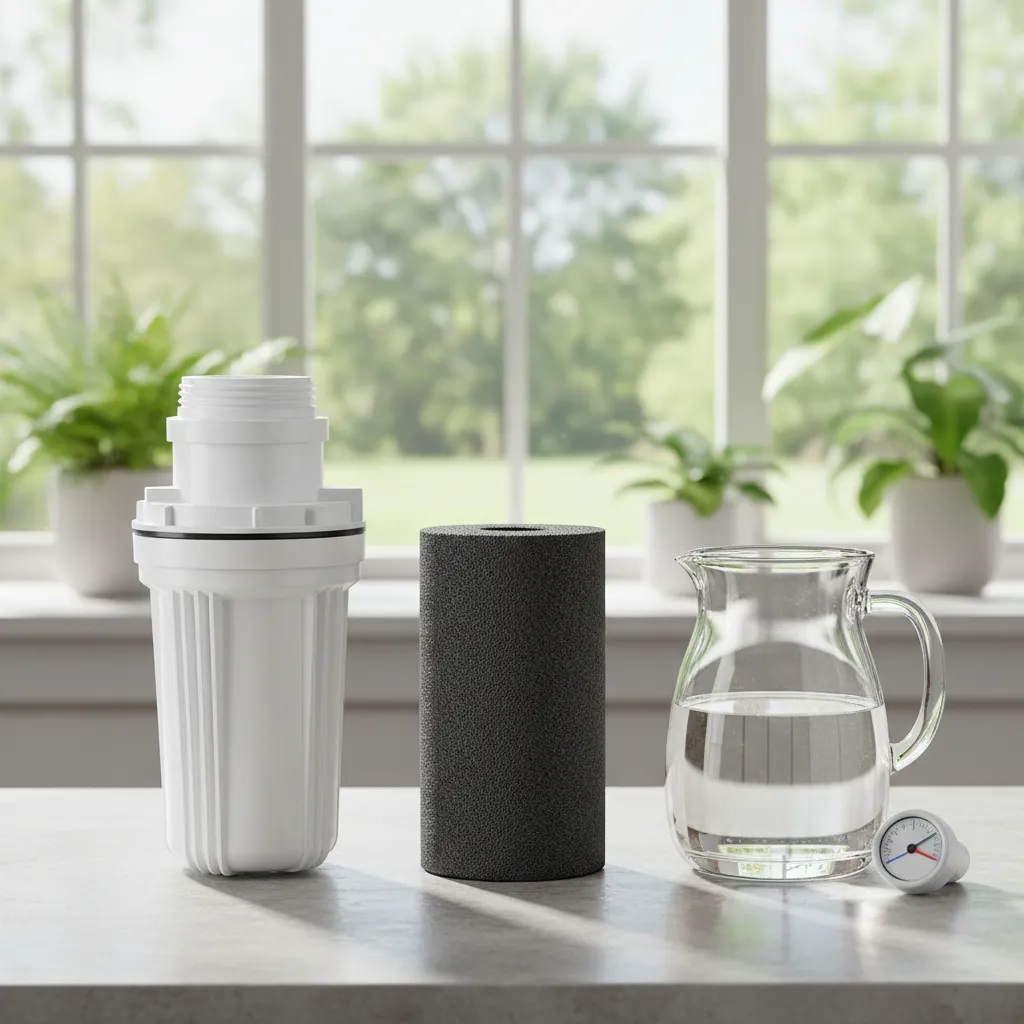
Activated Carbon Block Filter
Countertop or inline carbon blocks for organic chemical reduction.
Take control of your brain health
BetterBrain gives you a personalized protocol of techniques like these, backed by science and tailored to you.