Environment · Brain health technique
Ozone-generating “air purifiers”
Evidence grade: Weak
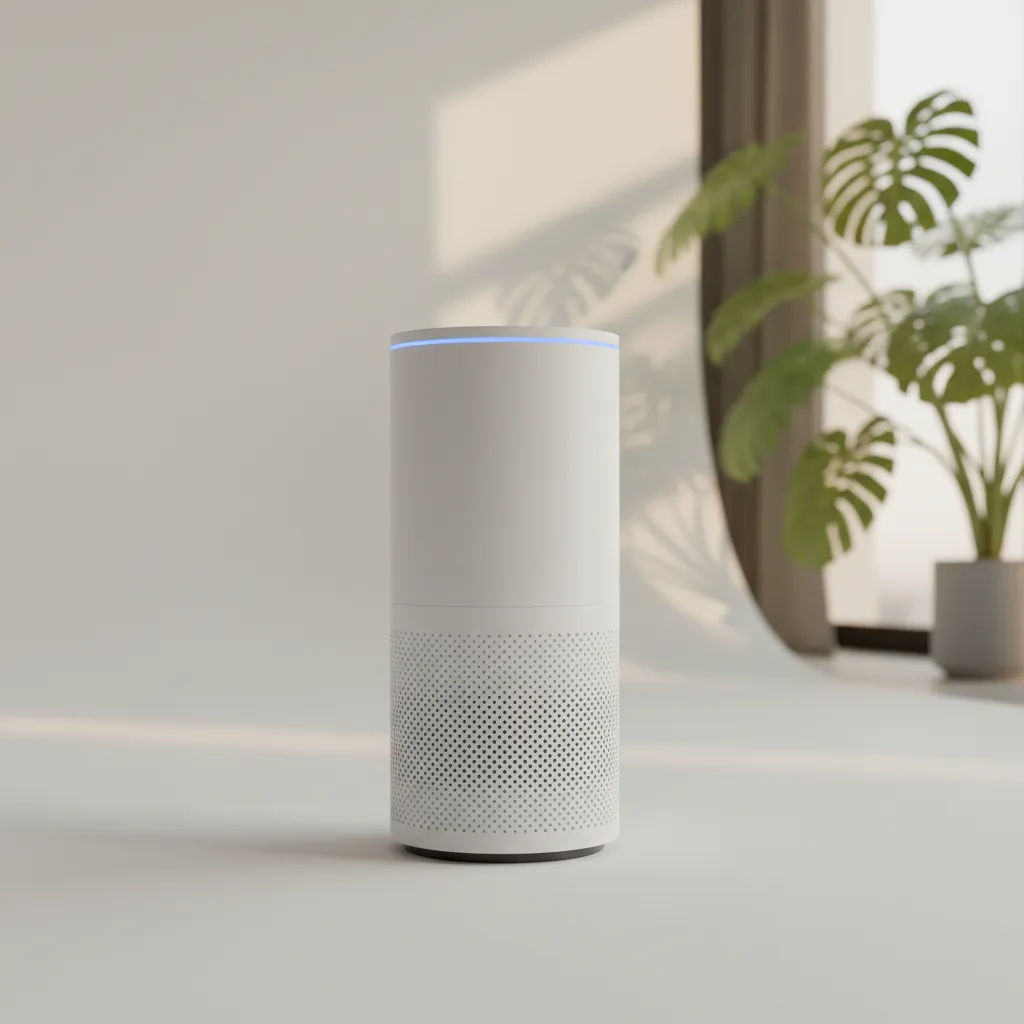
Devices that intentionally produce ozone (sometimes marketed as ion/ozone “fresheners” or “shock” sanitizers) to neutralize odors and microbes. Ozone itself is a lung irritant and reacts with indoor chemicals to create more irritants.
- Practice
- Environment
- Principle
- Protection
- Tactic
- Air Quality Optimization
- Evidence grade
- Weak
- Strength of evidence
- Low
How to practice Ozone-generating “air purifiers”
Do not use ozone generators in occupied spaces. If a contractor performs an ozone “shock” treatment, ventilate thoroughly before re-entry. Prefer HEPA + carbon filtration and ventilation for real air cleaning.
The evidence behind Ozone-generating “air purifiers”
Strong clinical and environmental evidence shows that ozone inflames your airways, worsens asthma, strains your heart and blood vessels, and does not improve overall indoor air quality. Any drop in odors from these devices comes at the cost of harmful by-products and damage to surfaces and materials.
Reviewed by BetterBrain's clinical advisors · Updated November 2026 · Our science
More Environment techniques
Pair this with other habits from the same practice.
Evidence grade: Essential
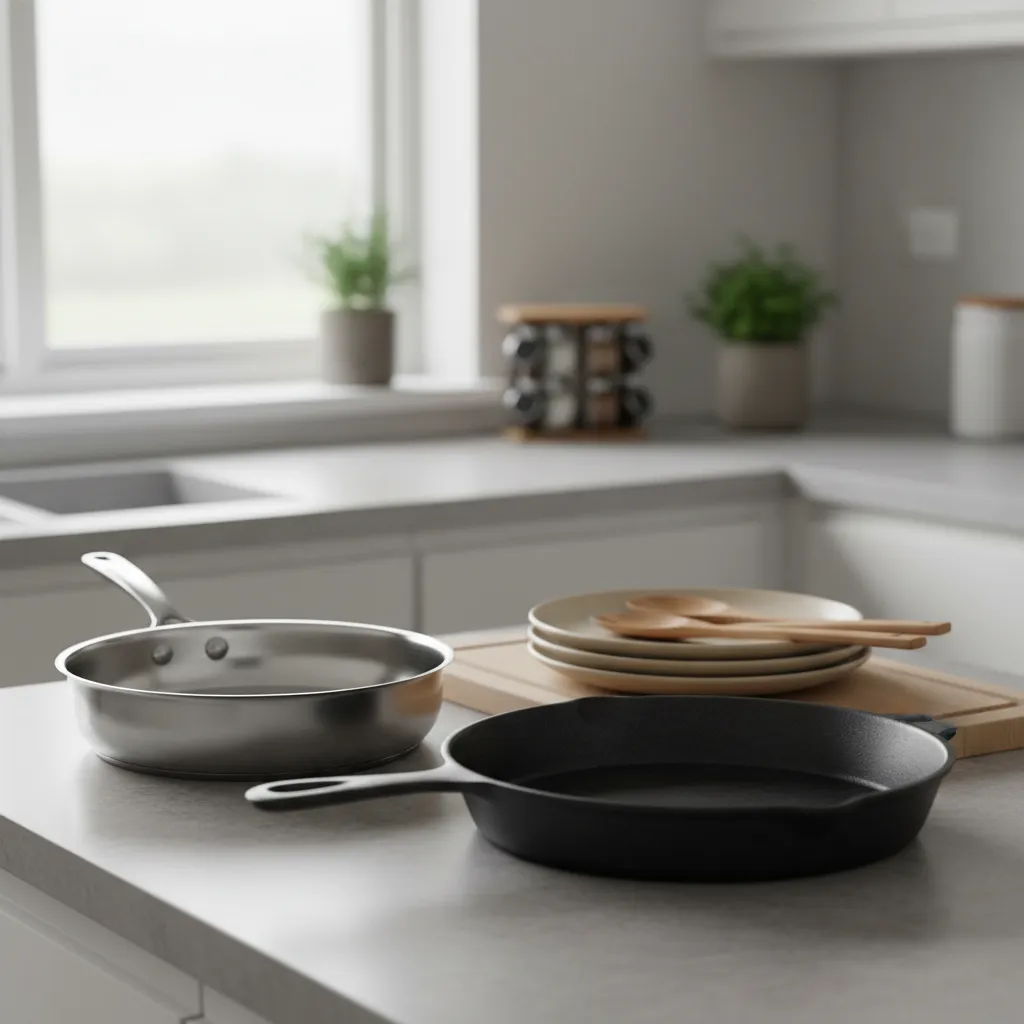
Avoid Non-stick (PFAS-based) Cookware
Use stainless, ceramic, or cast iron instead of Teflon-type coatings.
Evidence grade: Essential
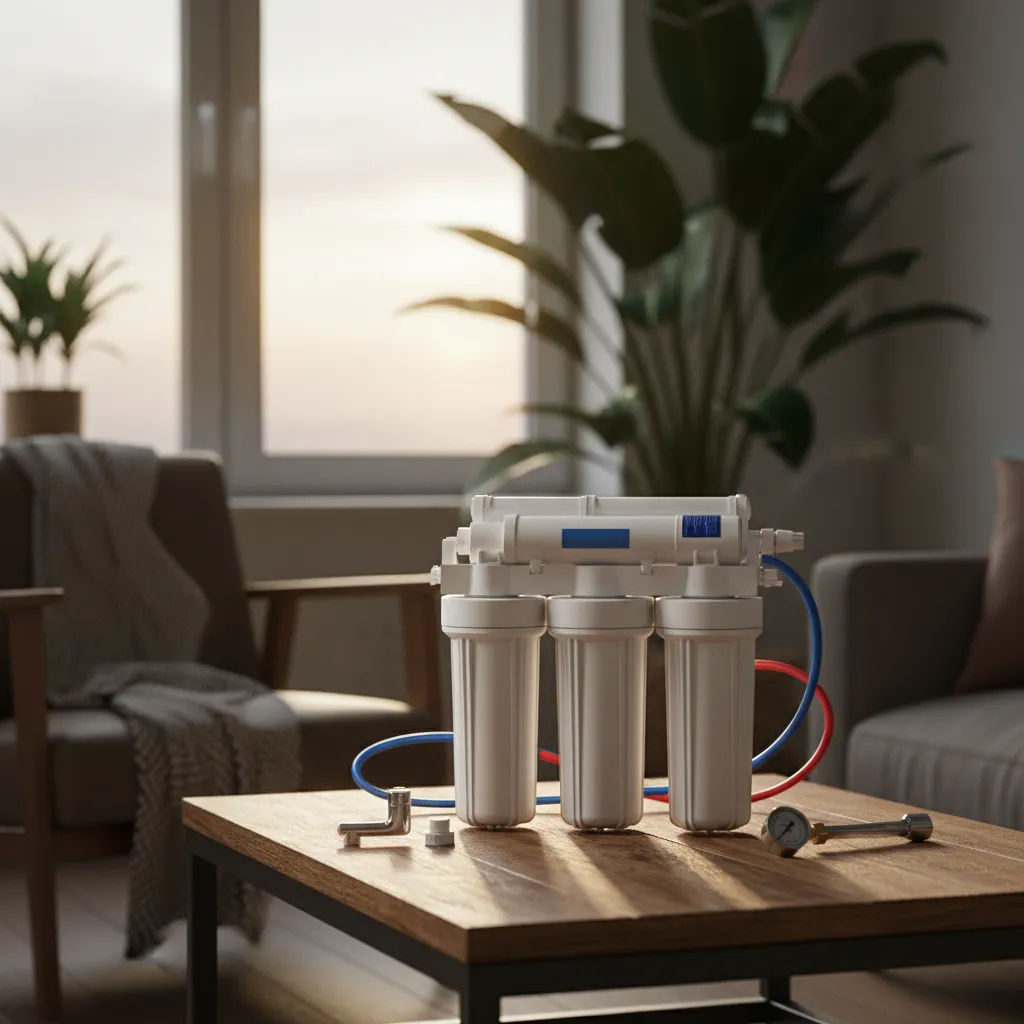
Reverse Osmosis (RO) Filtration
Under-sink or whole-home RO systems with carbon pre-filter.
Evidence grade: Context Dependent
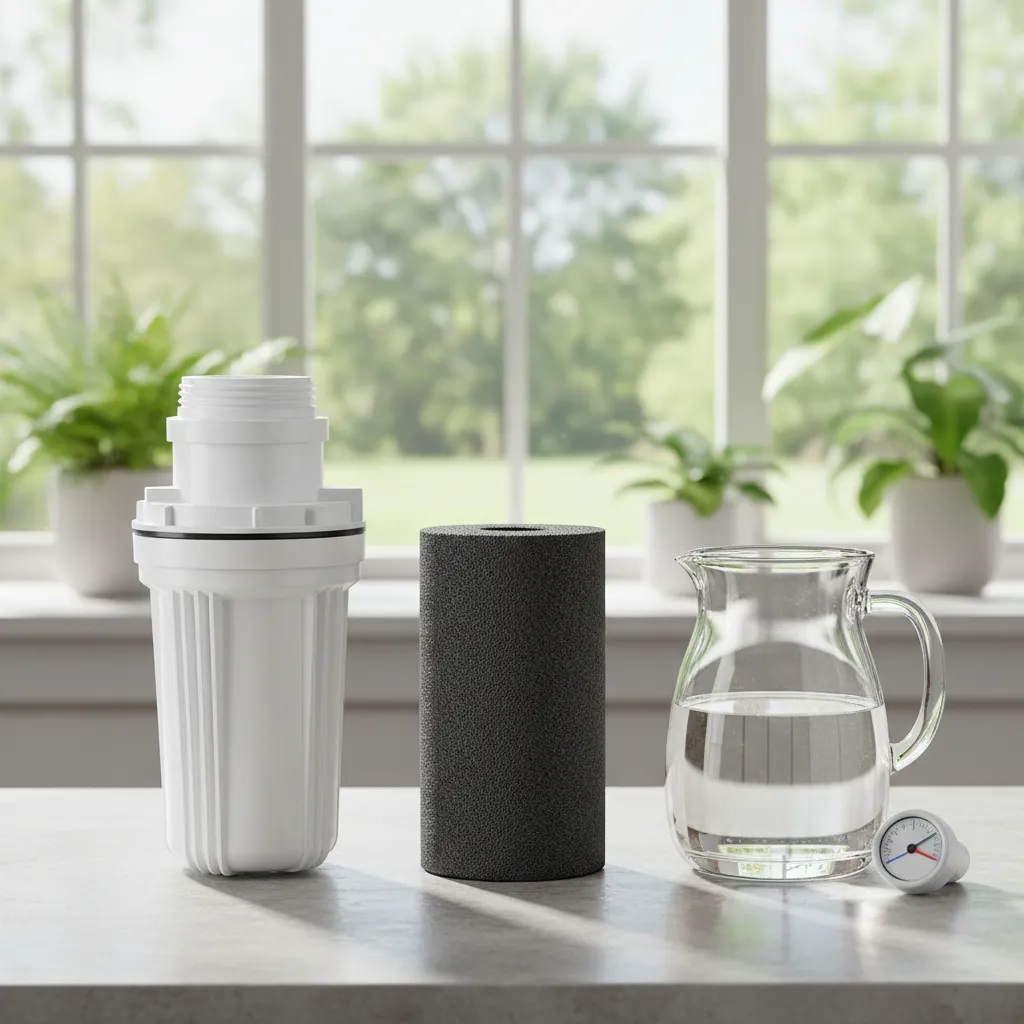
Activated Carbon Block Filter
Countertop or inline carbon blocks for organic chemical reduction.
Take control of your brain health
BetterBrain gives you a personalized protocol of techniques like these, backed by science and tailored to you.