Environment · Brain health technique
Passive sorbents (charcoal or zeolite bags)
Evidence grade: Weak
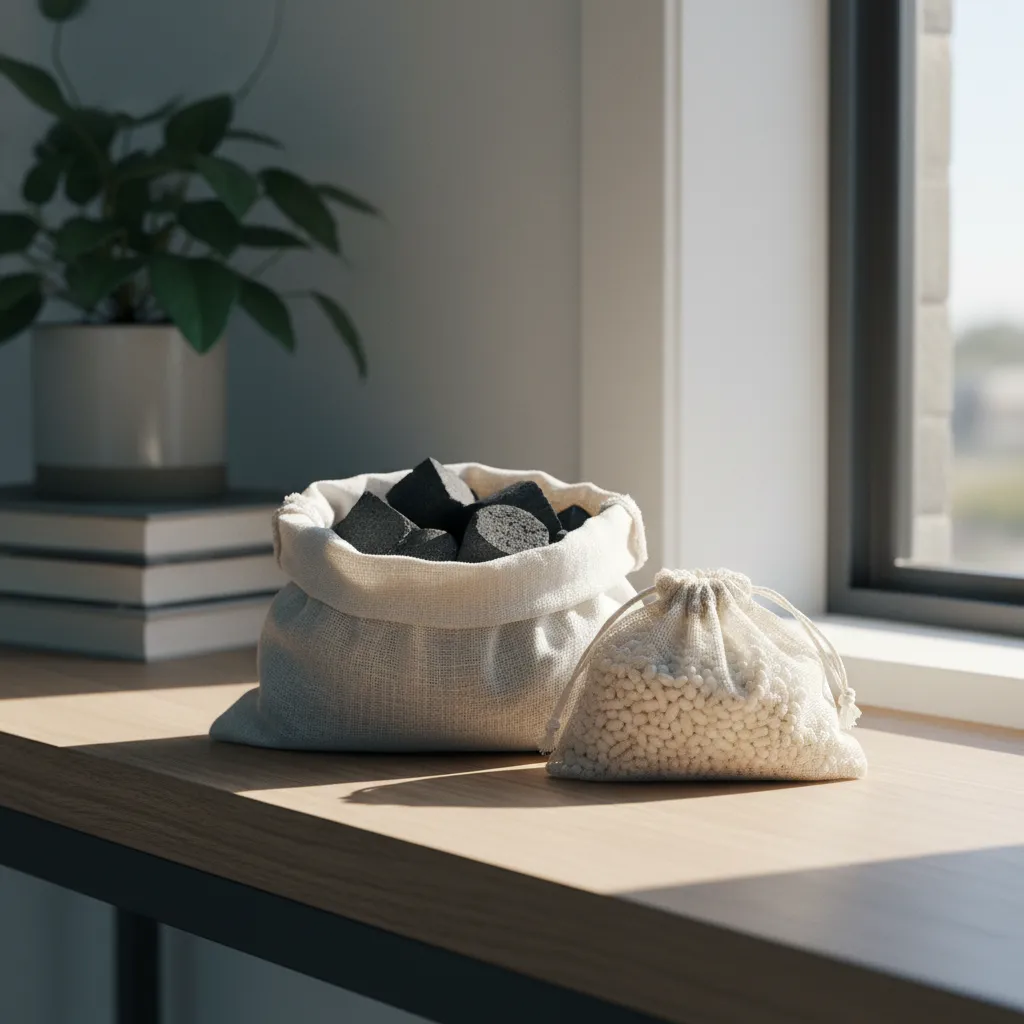
Small pouches of activated carbon, bamboo charcoal, or natural zeolite minerals that adsorb odors and small amounts of VOCs in confined spaces like closets, cars, or refrigerators.
- Practice
- Environment
- Principle
- Protection
- Tactic
- Air Quality Optimization
- Evidence grade
- Weak
- Strength of evidence
- Low
How to practice Passive sorbents (charcoal or zeolite bags)
Fine for odor control in small spaces; replace or recharge monthly in sunlight. Not a substitute for powered filtration. Safe, low-cost, and neutral in effect.
The evidence behind Passive sorbents (charcoal or zeolite bags)
Based on their chemistry, charcoal or zeolite bags could plausibly clean the air in tiny enclosed spaces, but the bags have too little surface area to make a meaningful difference in a whole room. Peer-reviewed testing shows the bags barely lower fine particles (PM₂.₅) or VOCs in occupied rooms. The bags may still modestly reduce odors.
Reviewed by BetterBrain's clinical advisors · Updated November 2026 · Our science
More Environment techniques
Pair this with other habits from the same practice.
Evidence grade: Essential
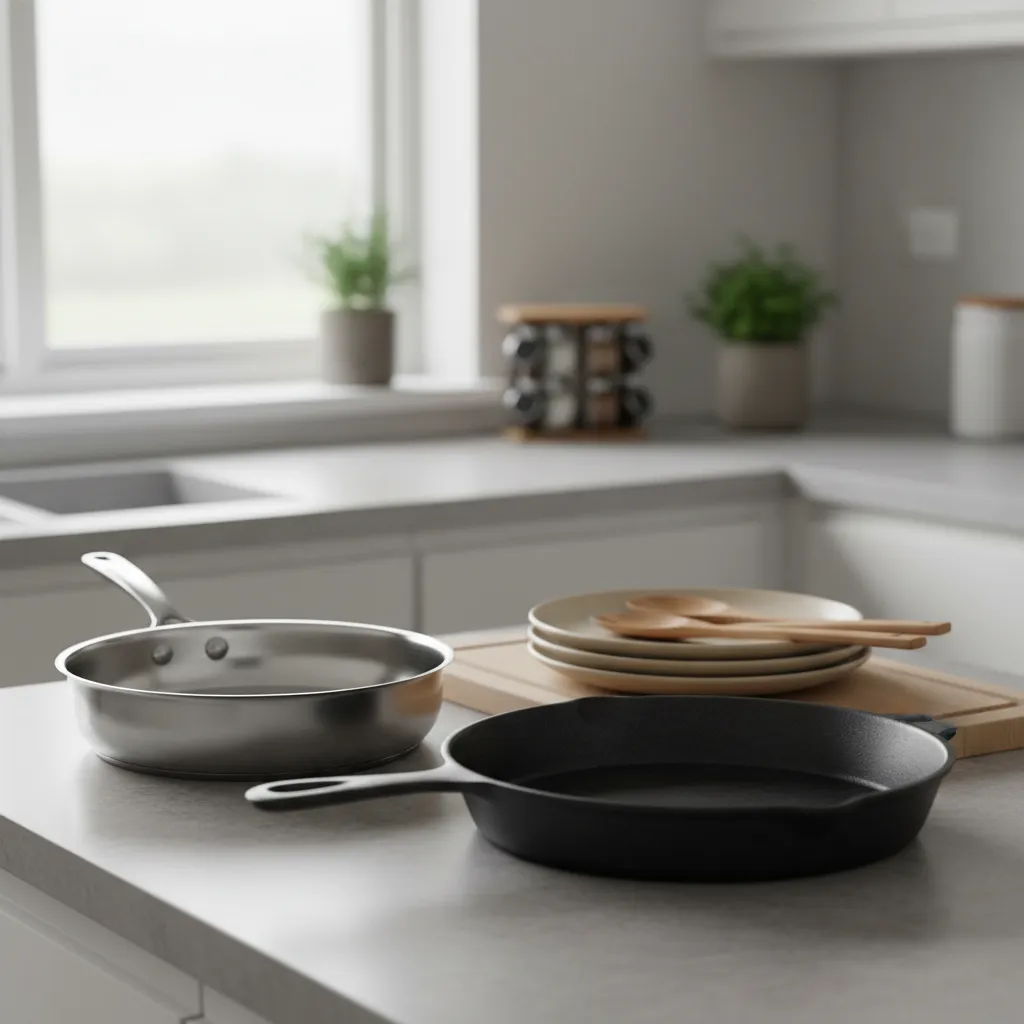
Avoid Non-stick (PFAS-based) Cookware
Use stainless, ceramic, or cast iron instead of Teflon-type coatings.
Evidence grade: Essential
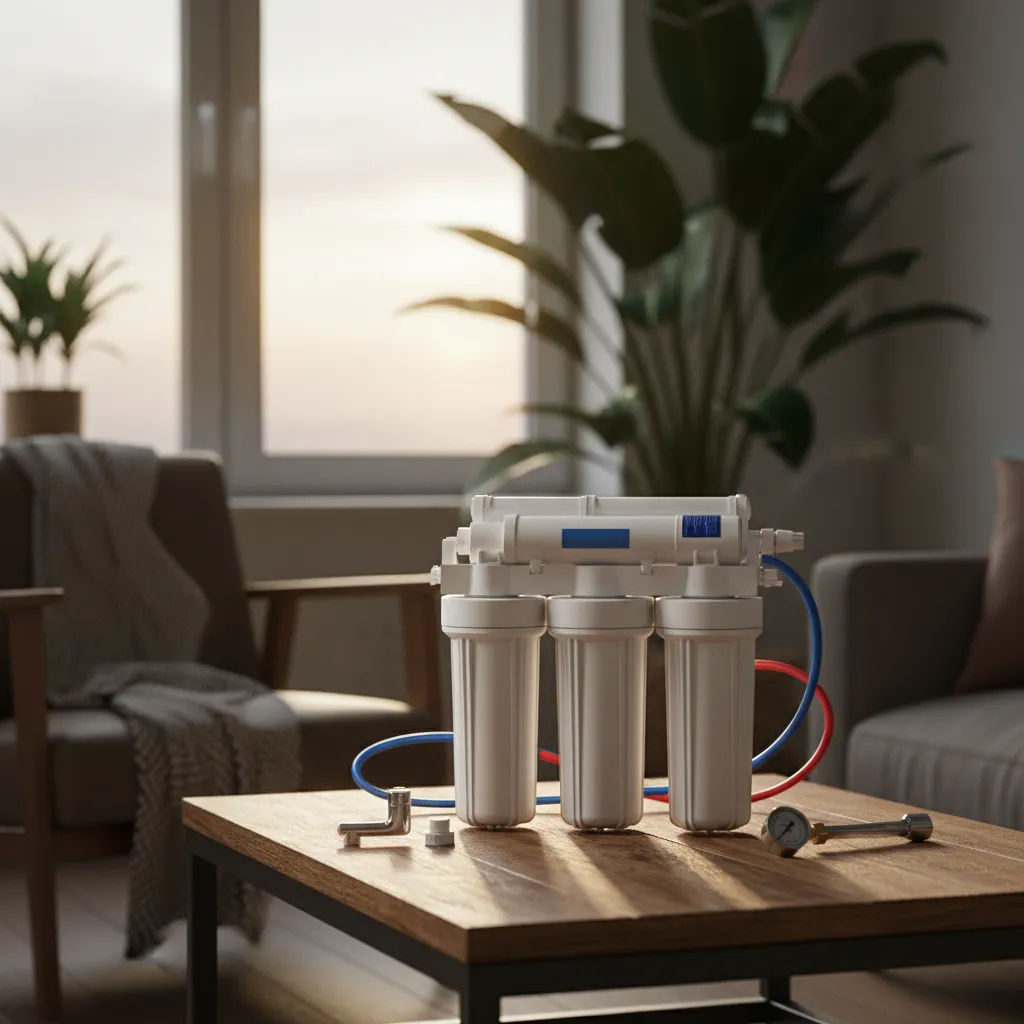
Reverse Osmosis (RO) Filtration
Under-sink or whole-home RO systems with carbon pre-filter.
Evidence grade: Context Dependent
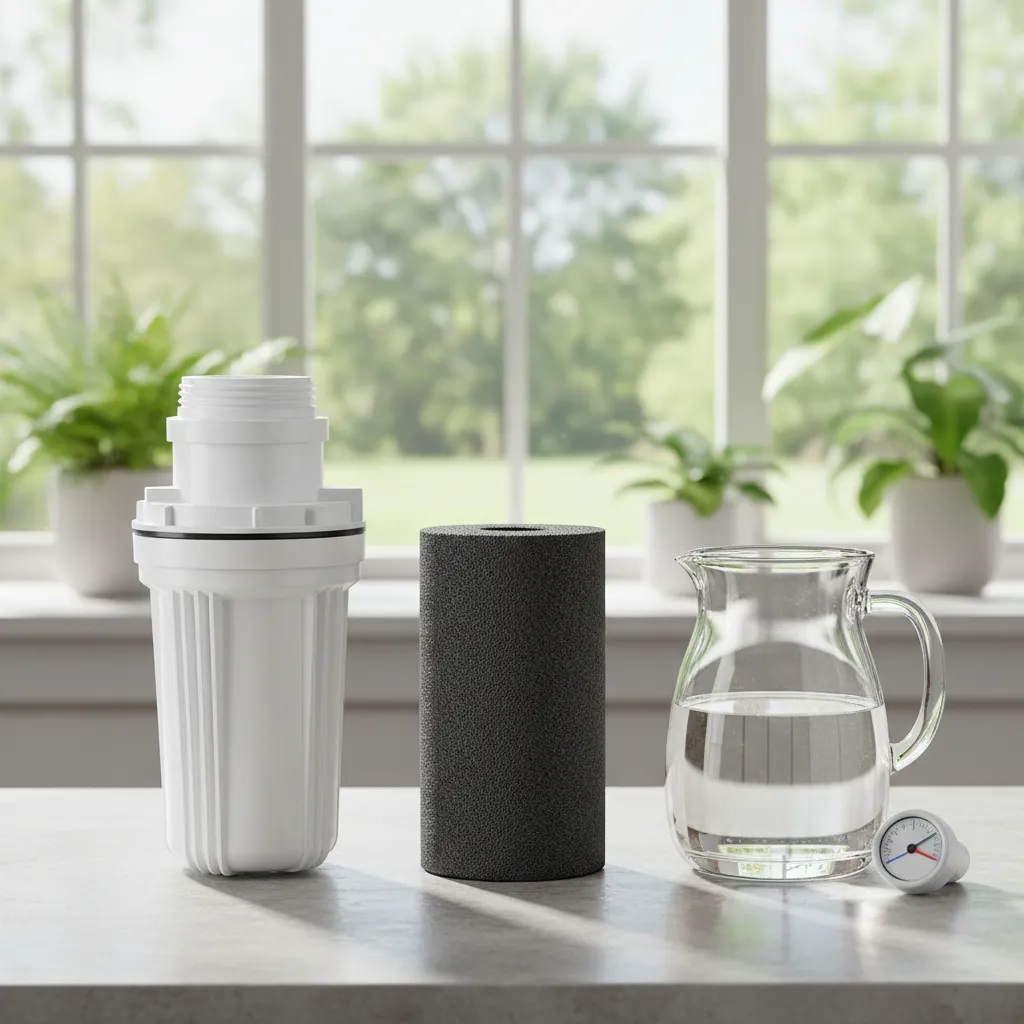
Activated Carbon Block Filter
Countertop or inline carbon blocks for organic chemical reduction.
Take control of your brain health
BetterBrain gives you a personalized protocol of techniques like these, backed by science and tailored to you.