Environment · Brain health technique
Photocatalytic oxidation (PCO) devices
Evidence grade: Mixed / Unclear
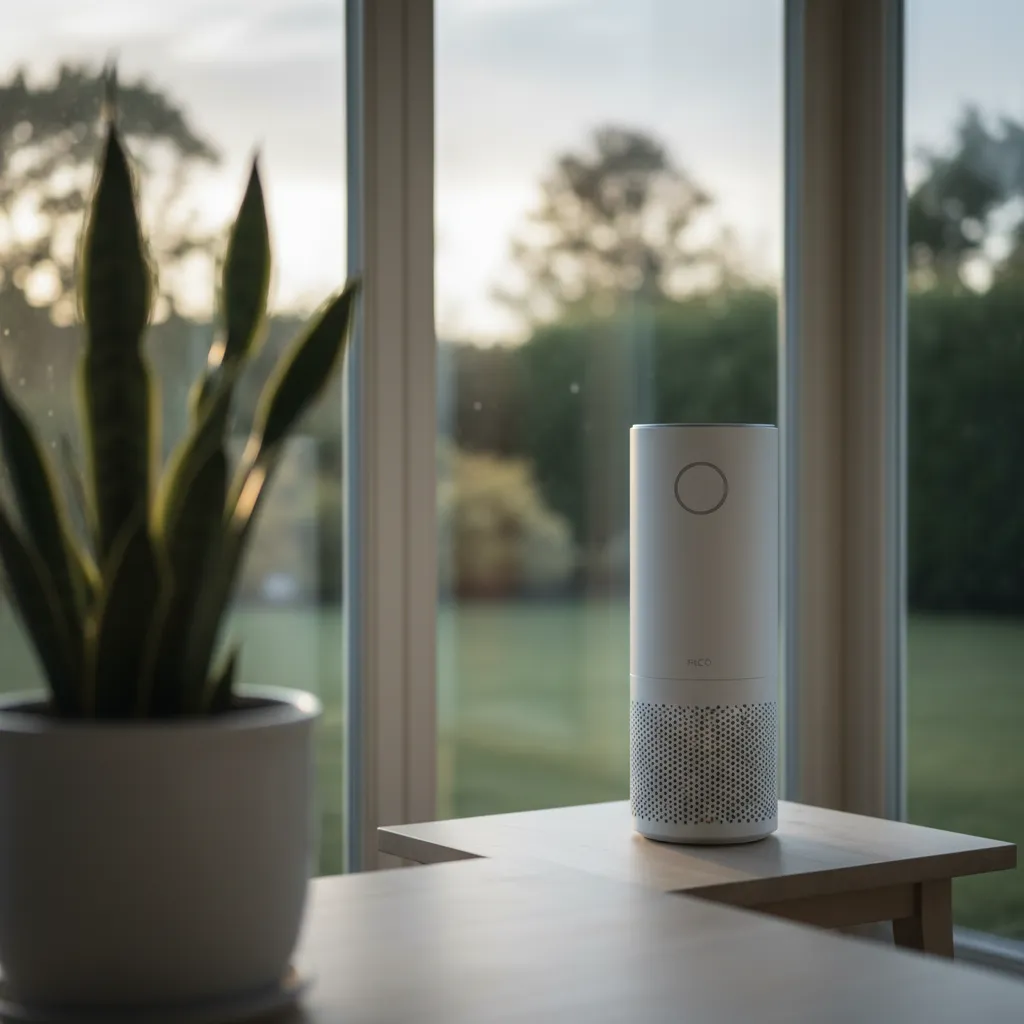
Units using UV light and titanium dioxide (TiO₂) catalysts to oxidize VOCs into simpler compounds. Some newer hybrid purifiers combine PCO with HEPA filtration.
- Practice
- Environment
- Principle
- Protection
- Tactic
- Air Quality Optimization
- Evidence grade
- Mixed / Unclear
- Strength of evidence
- Medium
How to practice Photocatalytic oxidation (PCO) devices
Avoid stand-alone PCO units unless third-party certified as ozone-free and combined with mechanical filtration. If used, ventilate rooms afterward. Treat PCO as experimental, not primary, air cleaning.
The evidence behind Photocatalytic oxidation (PCO) devices
The health benefits of PCO air purifiers are unproven. In lab studies under ideal conditions, PCO devices break down VOCs. But most consumer units give the air too little contact time with the catalyst or have too little catalyst area. Several independent tests found these units released ozone or aldehyde by-products instead of making the air cleaner overall.
Reviewed by BetterBrain's clinical advisors · Updated November 2026 · Our science
More Environment techniques
Pair this with other habits from the same practice.

Evidence grade: Essential
Avoid Non-stick (PFAS-based) Cookware
Use stainless, ceramic, or cast iron instead of Teflon-type coatings.
Evidence grade: Essential
Reverse Osmosis (RO) Filtration
Under-sink or whole-home RO systems with carbon pre-filter.
Evidence grade: Context Dependent
Activated Carbon Block Filter
Countertop or inline carbon blocks for organic chemical reduction.
Take control of your brain health
BetterBrain gives you a personalized protocol of techniques like these, backed by science and tailored to you.