Environment · Brain health technique
Unscented, Non-Aerosol Cleaning Agents
Evidence grade: Mixed / Unclear
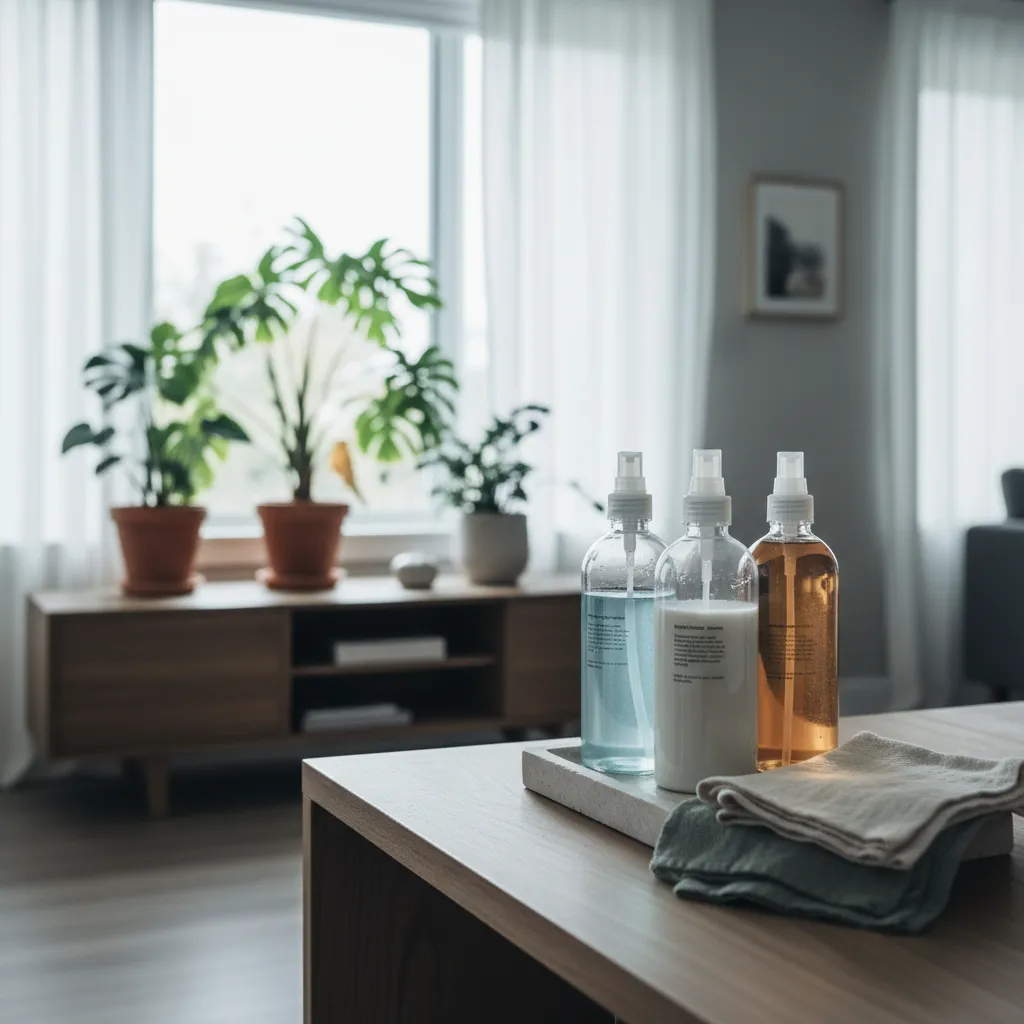
Vinegar, baking soda, or fragrance-free detergents.
- Practice
- Environment
- Principle
- Protection
- Tactic
- Materials & Indoor Surfaces
- Evidence grade
- Mixed / Unclear
- Strength of evidence
- Medium
How to practice Unscented, Non-Aerosol Cleaning Agents
Use fragrance-free, non-aerosol cleaners for routine cleaning to reduce unnecessary chemical exposure. Avoid mixing cleaners or using sprays in poorly ventilated spaces. This is primarily a tolerance and irritation-reduction strategy rather than a core health lever.
The evidence behind Unscented, Non-Aerosol Cleaning Agents
Unscented, non-aerosol cleaners eliminate synthetic musks and solvents. These chemicals act as mild irritants and as endocrine disruptors. Clinical data are limited, but removing a source of harmful chemicals is low risk, especially since these products are very safe.
Reviewed by BetterBrain's clinical advisors · Updated November 2026 · Our science
More Environment techniques
Pair this with other habits from the same practice.

Evidence grade: Essential
Avoid Non-stick (PFAS-based) Cookware
Use stainless, ceramic, or cast iron instead of Teflon-type coatings.
Evidence grade: Essential
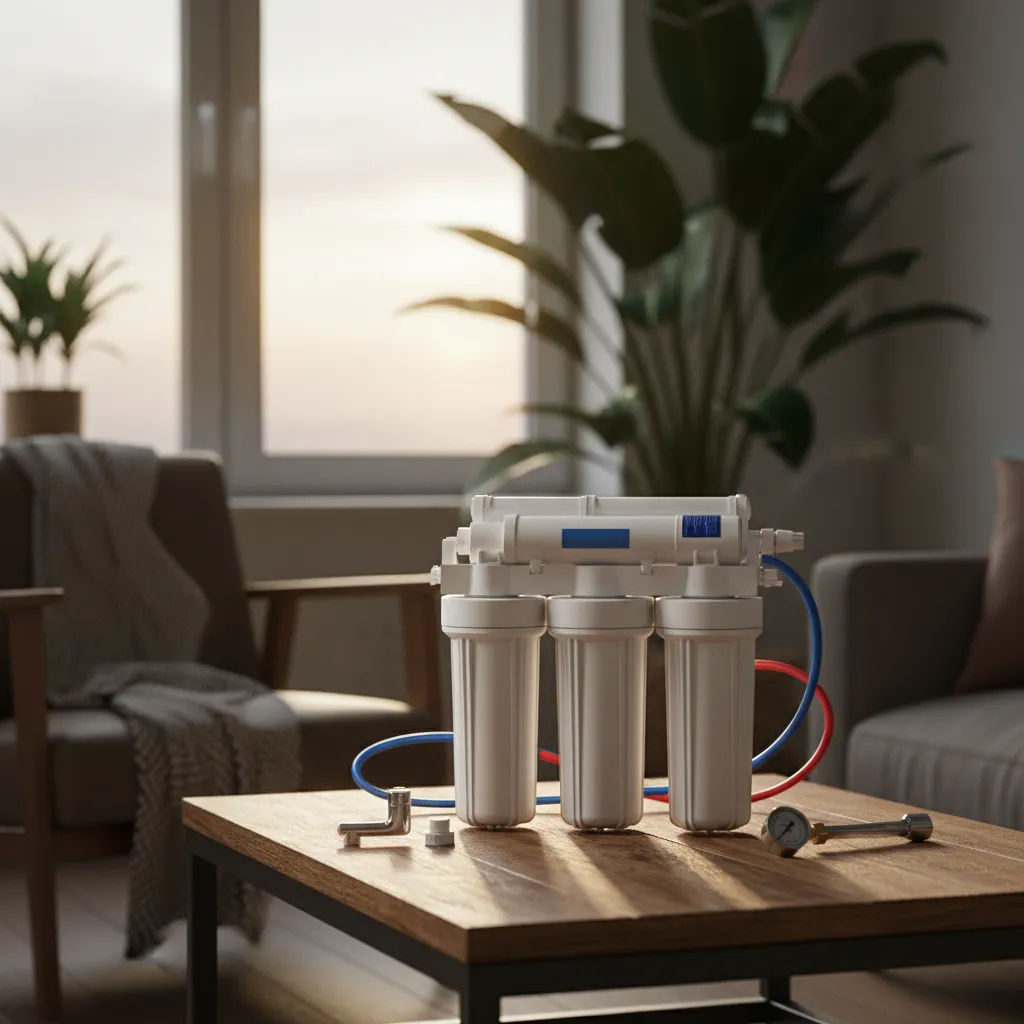
Reverse Osmosis (RO) Filtration
Under-sink or whole-home RO systems with carbon pre-filter.
Evidence grade: Context Dependent
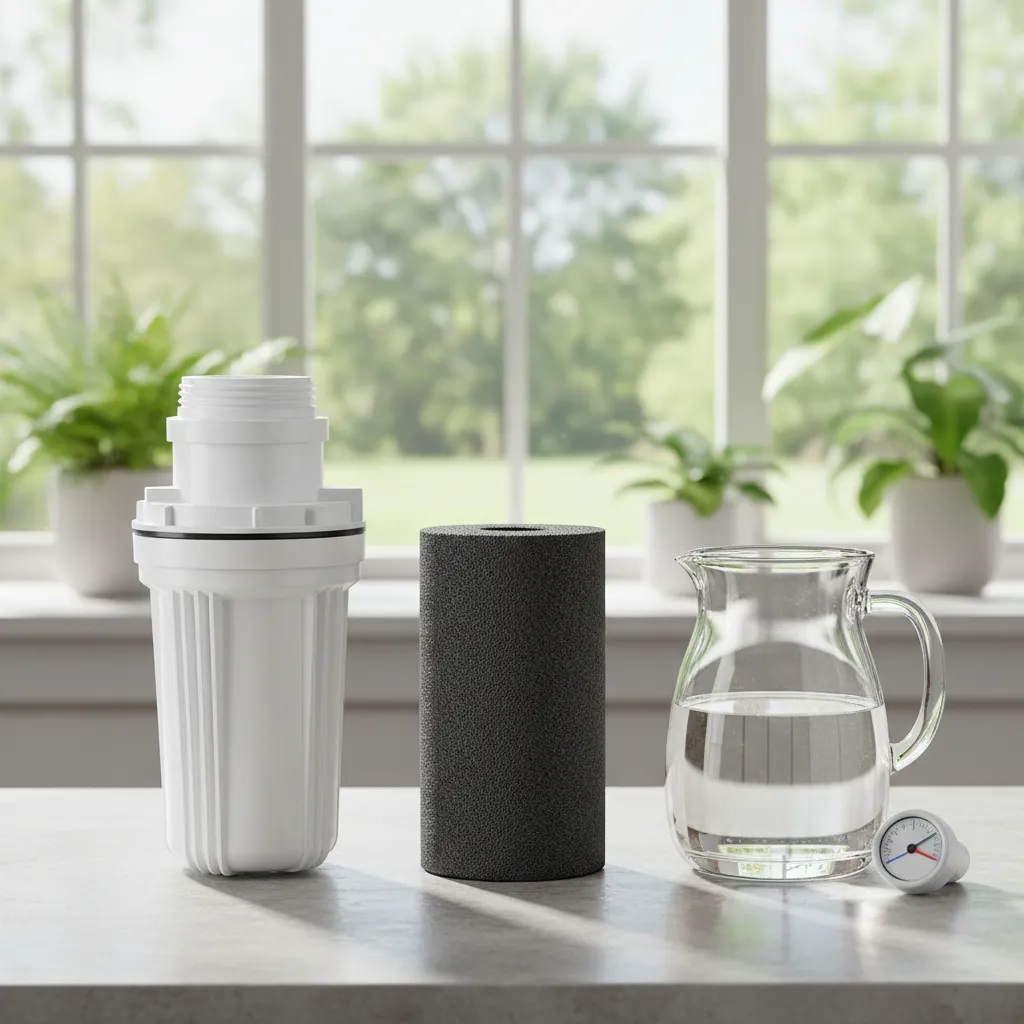
Activated Carbon Block Filter
Countertop or inline carbon blocks for organic chemical reduction.
Take control of your brain health
BetterBrain gives you a personalized protocol of techniques like these, backed by science and tailored to you.