Environment · Brain health technique
Use HEPA + activated-carbon air filtration
Evidence grade: Context Dependent
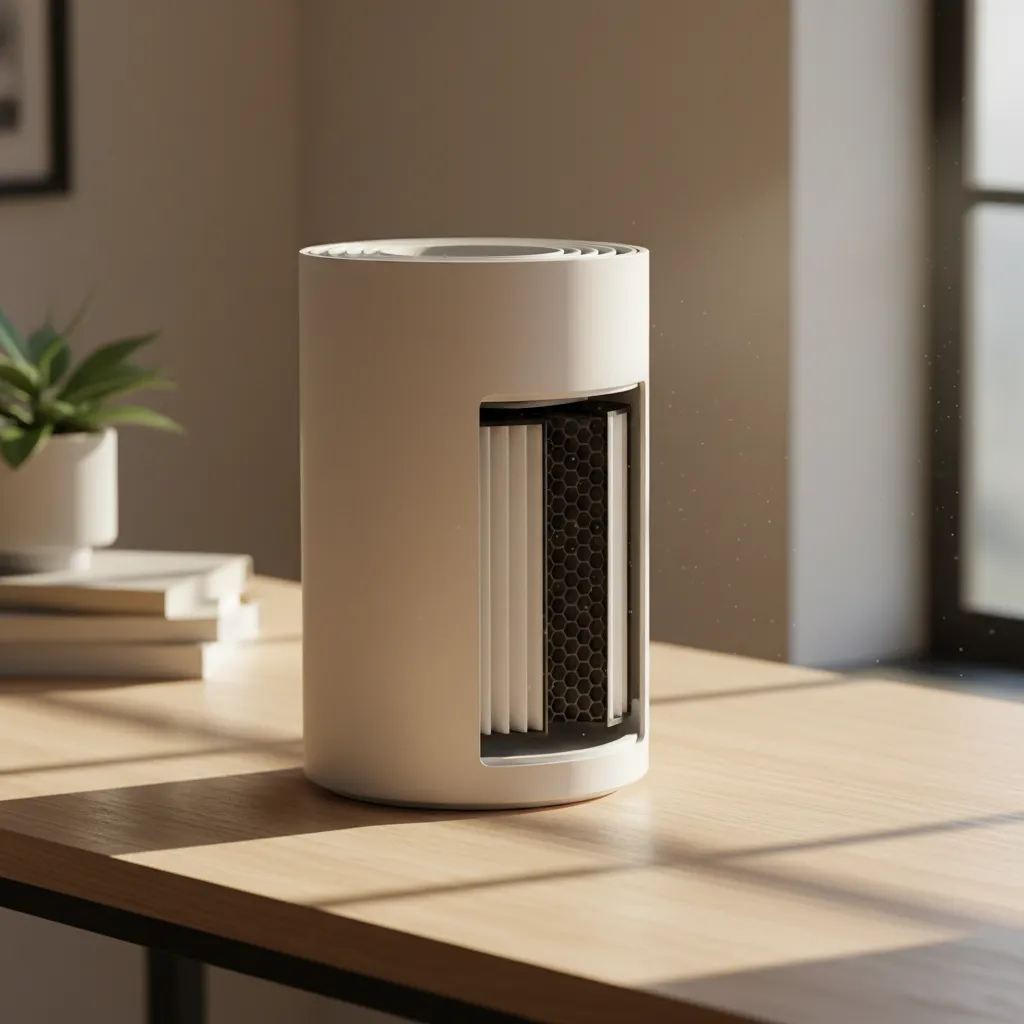
Portable or whole-home systems that draw room air through a true HEPA filter (captures > 99 % of particles ≥ 0.3 µm, including PM₂.₅, spores, pollen, smoke) and an activated-carbon layer that adsorbs odors and gases. Removes fine particulates and volatile organics that drive oxidative stress.
- Practice
- Environment
- Principle
- Protection
- Tactic
- Air Quality Optimization
- Evidence grade
- Context Dependent
- Strength of evidence
- Medium
- Cost
- High
- Effort
- Low
- Time commitment
- Low
How to practice Use HEPA + activated-carbon air filtration
Run purifiers continuously in bedrooms and main living areas. Size units for ≥ 4 air changes/hour. Select “True HEPA” (not “HEPA-type”) with sealed housing. Replace HEPA every 6–12 months, carbon every 3–6. Place one near the bed or desk.
The evidence behind Use HEPA + activated-carbon air filtration
Controlled trials in homes, dorms, and wildfire areas show these filters cut indoor PM₂.₅ by 60 to 90 percent. In those trials, markers of inflammation fell and blood vessel function improved within weeks. Cleaner air also lowers strain on your heart (seen in heart-rate variability data) and improves sleep quality.
Impact on brain health
The benefit for memory and thinking is modest, and it fits with the drop in inflammation throughout your body.
Reviewed by BetterBrain's clinical advisors · Updated November 2026 · Our science
More Environment techniques
Pair this with other habits from the same practice.
Evidence grade: Essential
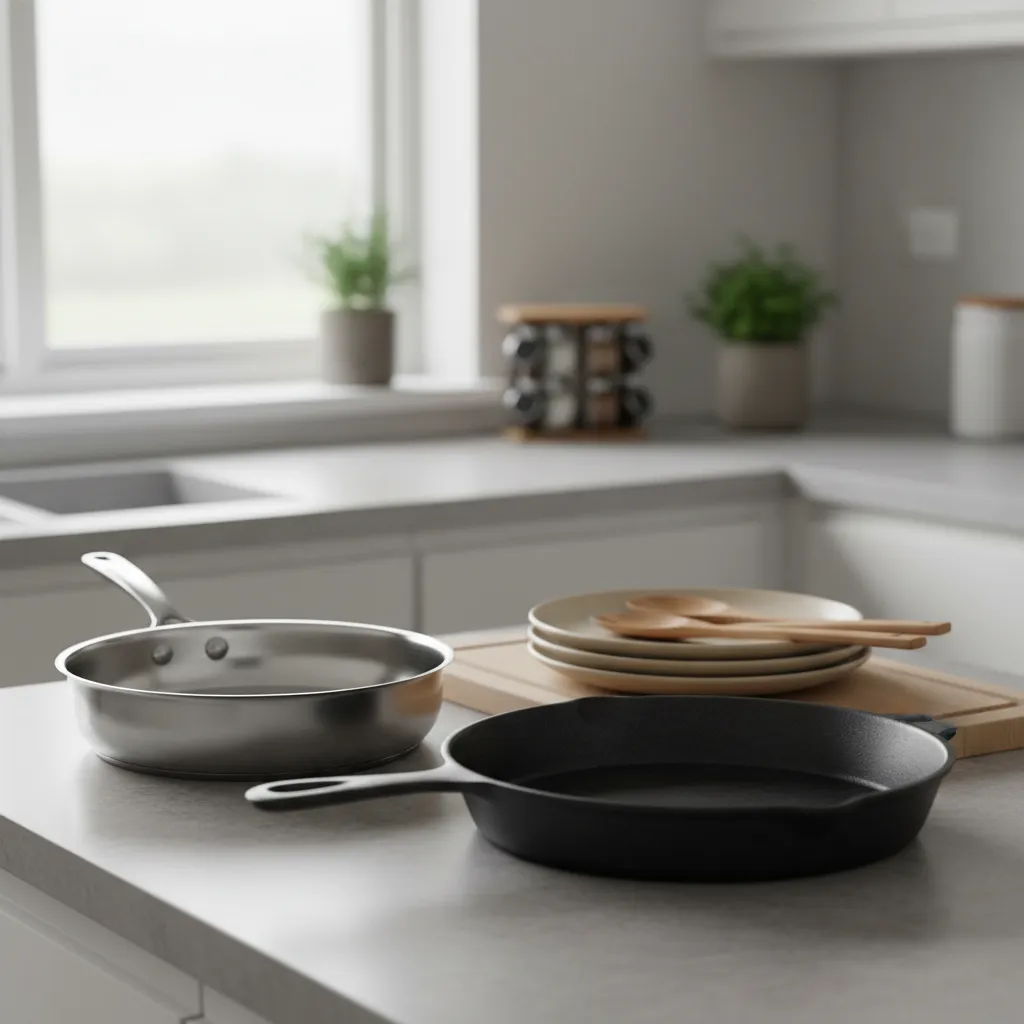
Avoid Non-stick (PFAS-based) Cookware
Use stainless, ceramic, or cast iron instead of Teflon-type coatings.
Evidence grade: Essential
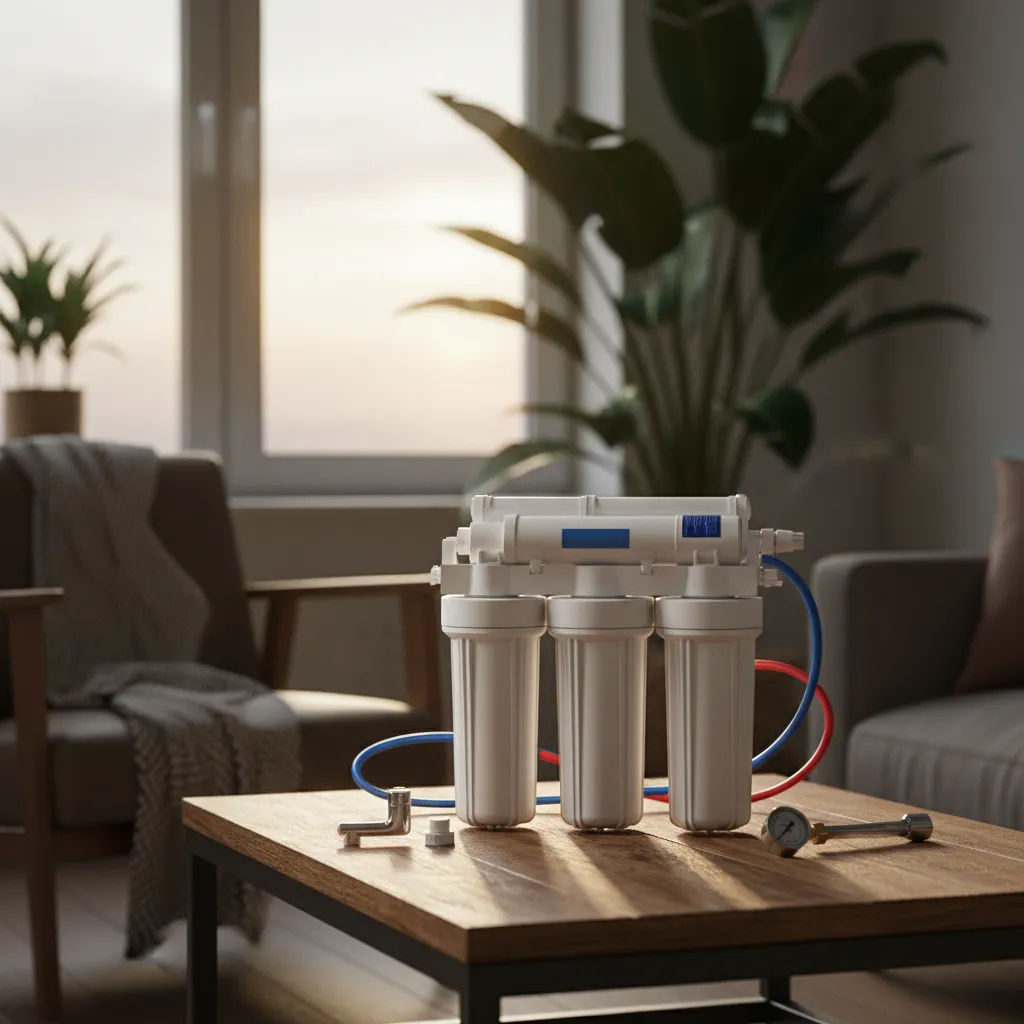
Reverse Osmosis (RO) Filtration
Under-sink or whole-home RO systems with carbon pre-filter.
Evidence grade: Context Dependent
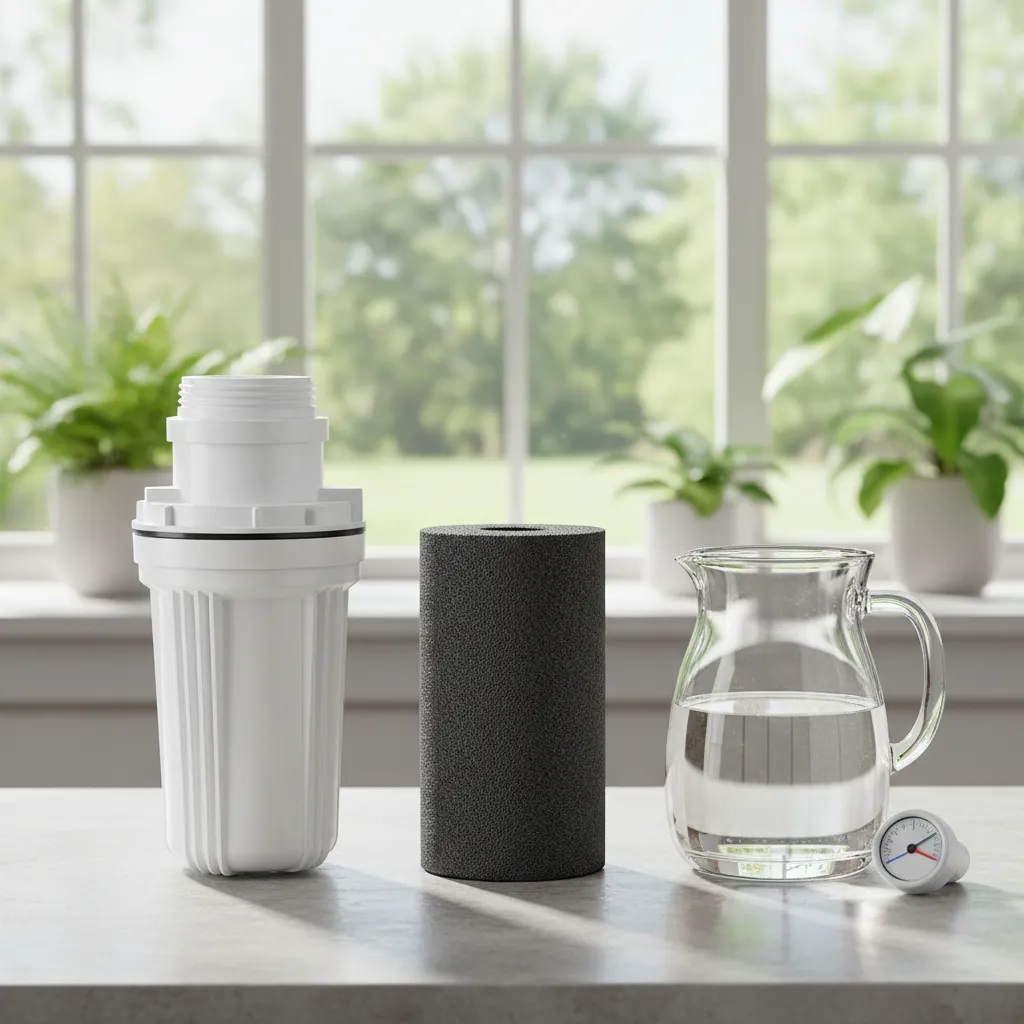
Activated Carbon Block Filter
Countertop or inline carbon blocks for organic chemical reduction.
Take control of your brain health
BetterBrain gives you a personalized protocol of techniques like these, backed by science and tailored to you.