Environment · Brain health technique
UV-C disinfection in HVAC systems
Evidence grade: Experimental
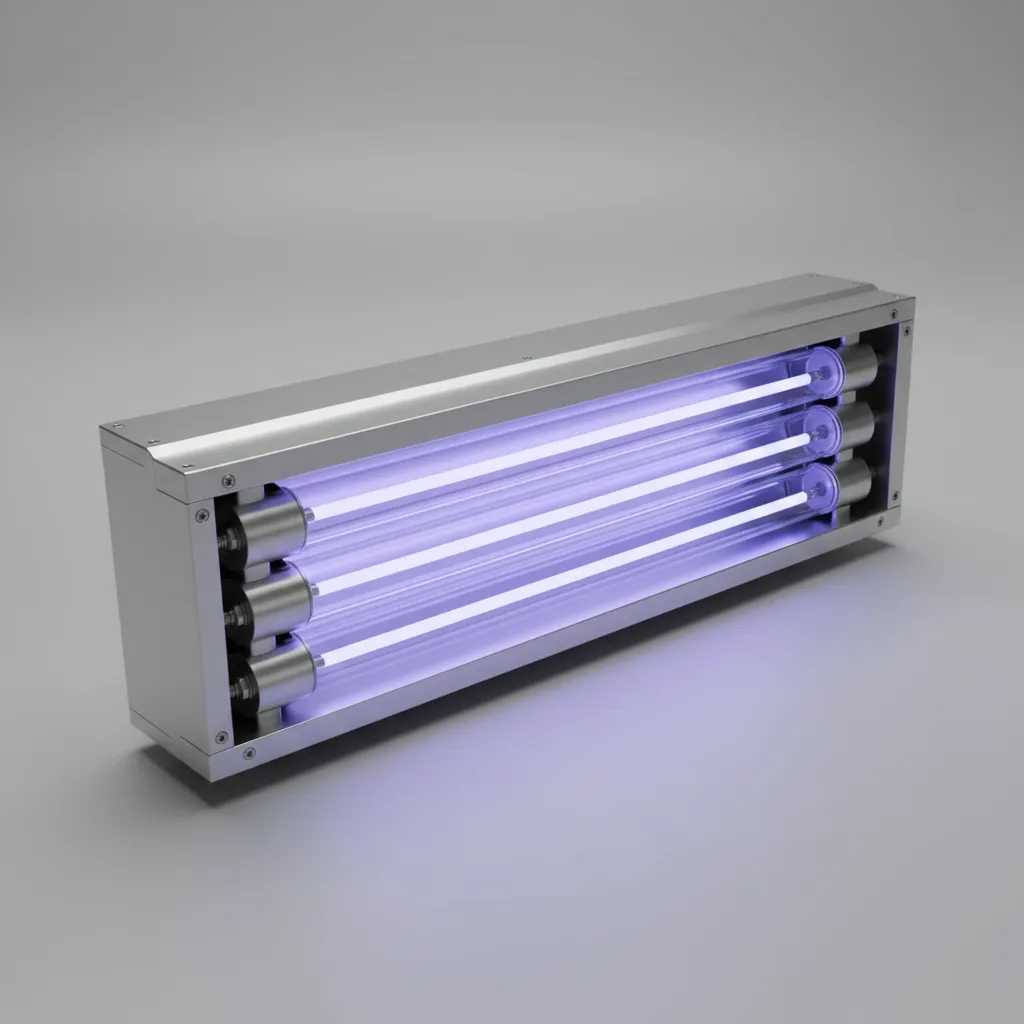
UV-C lamps (≈254 nm) mounted near coils/inside ducts to kill microbes on wet surfaces or in air passing close to the lamp. Most effective for coil hygiene (reducing mold/biofilm), with limited whole-air sterilization in typical residential airflow.
- Practice
- Environment
- Principle
- Protection
- Tactic
- Air Quality Optimization
- Evidence grade
- Experimental
- Strength of evidence
- Low
How to practice UV-C disinfection in HVAC systems
Consider in humid or mold-prone systems. Choose ozone-free, shielded units rated for HVAC, and replace bulbs every 12–24 months. Treat it as a maintenance upgrade, not a substitute for HEPA/MERV filters or ventilation.
The evidence behind UV-C disinfection in HVAC systems
UV-C light clearly inactivates germs in lab tests. In a heating and cooling system, UV-C also keeps the coils cleaner, which can improve airflow and reduce moldy smells. In homes, air often passes the light too quickly to be disinfected. The health benefits are modest and indirect: fewer irritants for your airways. UV-C doesn't remove fine particle pollution, nitrogen dioxide, or VOCs. Filtration and ventilation still do most of the work.
Reviewed by BetterBrain's clinical advisors · Updated November 2026 · Our science
More Environment techniques
Pair this with other habits from the same practice.
Evidence grade: Essential
Avoid Non-stick (PFAS-based) Cookware
Use stainless, ceramic, or cast iron instead of Teflon-type coatings.
Evidence grade: Essential
Reverse Osmosis (RO) Filtration
Under-sink or whole-home RO systems with carbon pre-filter.
Evidence grade: Context Dependent
Activated Carbon Block Filter
Countertop or inline carbon blocks for organic chemical reduction.
Take control of your brain health
BetterBrain gives you a personalized protocol of techniques like these, backed by science and tailored to you.